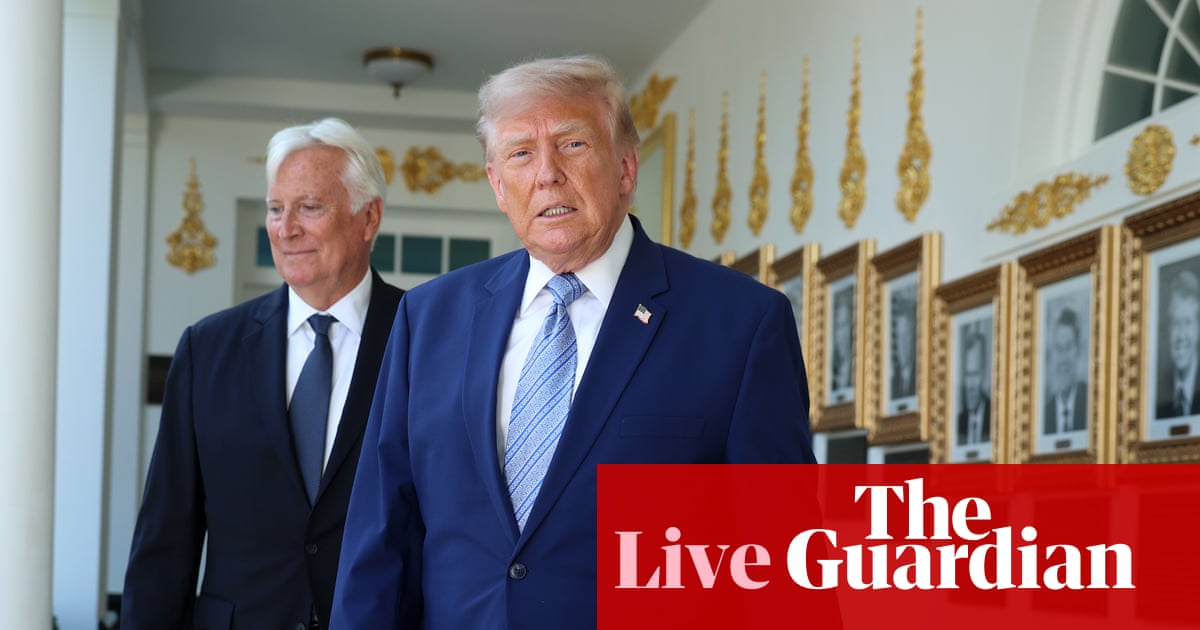
A sweeping new round of tariffs imposed by President Donald Trump took effect just after midnight on Friday, July 24, 2026, targeting 60 countries and covering 99.4 percent of goods imported into the United States. The levies, ranging from 10 percent to 12.5 percent, replace a temporary 10 percent global duty that expired the same day. The move has drawn immediate condemnation from Democratic leaders, who called the tariffs a sales tax that will make life harder for Americans, and from key US trading partners including China, Japan, and Australia, who described the measures as completely unjustified. According to The Hill, the new tariffs were announced by US Trade Representative Jamieson Greer on Thursday and are being implemented under Section 301 of the Trade Act of 1974, which allows the president to bypass Congress to impose duties on countries that fail to prohibit imports made with forced labor.
Main Story
President Donald Trump’s latest tariff offensive took effect early Friday, imposing new import taxes on 60 countries that account for nearly all US imports. The tariffs, ranging from 10 percent to 12.5 percent, were announced Thursday by US Trade Representative Jamieson Greer, who stated that the administration is imposing the levies on countries for their failure to enforce prohibitions on goods produced with forced labor. According to The Guardian, the new measures replace a 10 percent global duty that was due to expire on Friday.
The tariffs cover a broad range of US trading partners, including the United Kingdom, Mexico, Canada, Australia, India, China, and European Union member states. The administration’s rationale, as outlined by Greer, is that decades of moral suasion have not eradicated forced labor from global supply chains, and that it is well past time for countries to take action. However, critics have accused the president of using forced labor as a pretext for imposing tariffs that are primarily aimed at advancing his protectionist trade agenda. According to The Guardian, Democrats have described the justification as convenient and have warned that the tariffs will ultimately raise prices for American consumers.
Why It Matters
The new tariffs represent a significant escalation in Trump’s trade policy, which has been a cornerstone of his presidency. By invoking Section 301 of the Trade Act of 1974, the administration can bypass Congress to impose duties unilaterally, a move that has drawn legal challenges in the past. The tariffs are expected to increase costs for a wide range of imported goods, from electronics to automobiles, potentially leading to higher prices for US consumers. According to The Guardian, Democrats have characterized the tariffs as a sales tax that will make life harder for Americans, while even some Republicans have expressed concern about the economic impact.
Political Context
The tariff announcement comes amid a series of high-profile legal setbacks for the administration’s trade policies, and the new levies are seen as an effort to make Trump’s signature economic policy permanent. The timing also coincides with the rescheduled White House Correspondents’ Dinner, which was postponed after an attack in April. According to The Guardian, Trump returned to the dinner on Friday, where the tariff issue dominated discussions. The political fallout has been swift, with Democrats accusing the president of prioritizing trade wars over the economic well-being of American families. Some Republicans, while generally supportive of Trump’s trade agenda, have privately voiced concerns about the breadth of the tariffs and their potential to disrupt supply chains.
What Officials and Groups Are Saying
Democratic leaders have been vocal in their opposition. According to The Guardian, they argue that the tariffs function as a sales tax that will increase costs for American consumers and businesses. The administration, through US Trade Representative Jamieson Greer, has defended the measures as necessary to combat forced labor. Greer stated that the tariffs are aimed at countries that have failed to enforce prohibitions on forced labor imports. However, critics have questioned the link between the tariffs and forced labor, noting that the affected countries include many that are not typically associated with the practice. According to The Guardian, the forced labor rationale has been met with bewilderment from some observers.
US trading partners have reacted with strong opposition. According to The Hill, China, Japan, and Australia have all criticized the tariffs as completely unjustified. The pushback from allies is likely to strain diplomatic relations and could lead to retaliatory measures. The European Union has also expressed concern, with officials warning that the tariffs could escalate into a broader trade conflict.
Timeline
- July 23, 2026: US Trade Representative Jamieson Greer announces new tariffs on more than 80 countries, ranging from 10% to 12.5%, to replace the expiring 10% global duty.
- July 24, 2026 (midnight): The new tariffs take effect, targeting 60 countries and covering 99.4% of US imports.
- July 24, 2026 (morning): Democrats and US trading partners issue statements criticizing the tariffs. Trump attends the rescheduled White House Correspondents’ Dinner.
Frequently Asked Questions
Which countries are affected by the new tariffs?
The tariffs apply to 60 countries, including the UK, Mexico, Canada, Australia, India, China, and EU member states. According to The Hill, these countries account for 99.4% of US imports.
What is the legal basis for the tariffs?
The tariffs are imposed under Section 301 of the Trade Act of 1974, which allows the president to bypass Congress to impose duties on countries that fail to prohibit imports made with forced labor. According to The Guardian, the administration argues that forced labor remains prevalent in global supply chains.
How have Democrats responded?
Democrats have called the tariffs a sales tax that will make life harder for Americans, warning that they will increase costs for consumers. According to The Guardian, even some Republicans have expressed concern.
What have US trading partners said?
China, Japan, and Australia have described the tariffs as completely unjustified, according to The Hill. Other affected countries have also voiced opposition.
Will the tariffs affect American consumers?
Critics argue that the tariffs will raise prices on a wide range of imported goods, effectively acting as a tax on American consumers. According to The Guardian, Democrats have warned that the tariffs will make life harder for Americans.
What Happens Next
The new tariffs are now in effect, and their impact on US consumers, businesses, and international trade relations will unfold in the coming weeks. Trading partners may retaliate with their own tariffs, potentially escalating into a broader trade war. The administration faces ongoing legal challenges to its tariff authority, and the political debate over the costs and benefits of protectionist trade policies is likely to intensify. For now, Americans will begin to see the effects of higher import prices, while the administration continues to defend the measures as necessary to combat forced labor and protect US economic interests.
More from the Foreign Policy desk
 New
New
Trump Cancels Iran Strikes, Cites Agreed Deal Framework
President Trump cancels planned strikes on Iran, citing an agreed framework for a deal, amid Saudi pressure and Tehran's warnings.
 New
New
US, Israel Prepare Strikes on Iran Energy Targets
US and Israel are preparing to strike energy-related targets in Iran, sources say, as Tehran warns of retaliation and regional…
 New
New
US Plans Renewed Strikes on Iran as Tehran Vows Response
US reportedly plans renewed strikes on Iran as soon as this weekend, with Tehran vowing to respond, amid tensions over…
 New
New
Trump Approval Hits New Low Amid Iran War, Gas Prices
President Trump's approval rating falls to a second-term low as the Iran war drags on and gas prices surge, with analysts…