
The United States and Israel are preparing to launch one of the harshest bombing campaigns to date against energy-related targets in Iran, with strikes possible throughout the weekend, according to multiple sources familiar with the matter. The operation, which could target power plants and petrochemical facilities, has not yet received final approval from President Donald Trump, but planning is underway and Israeli forces have been notified and are coordinating with Washington.
Main Story
According to CBS News, the United States and Israel are preparing to bombard energy-related targets in Iran, with strikes possible throughout the weekend. Multiple sources told CBS that the operation would be one of the harshest bombing campaigns to date against Iran's energy infrastructure. There was discussion about trying to conclude by the time financial markets open Monday due to concerns about the impact on the US and global economy, but an end point was not locked in.
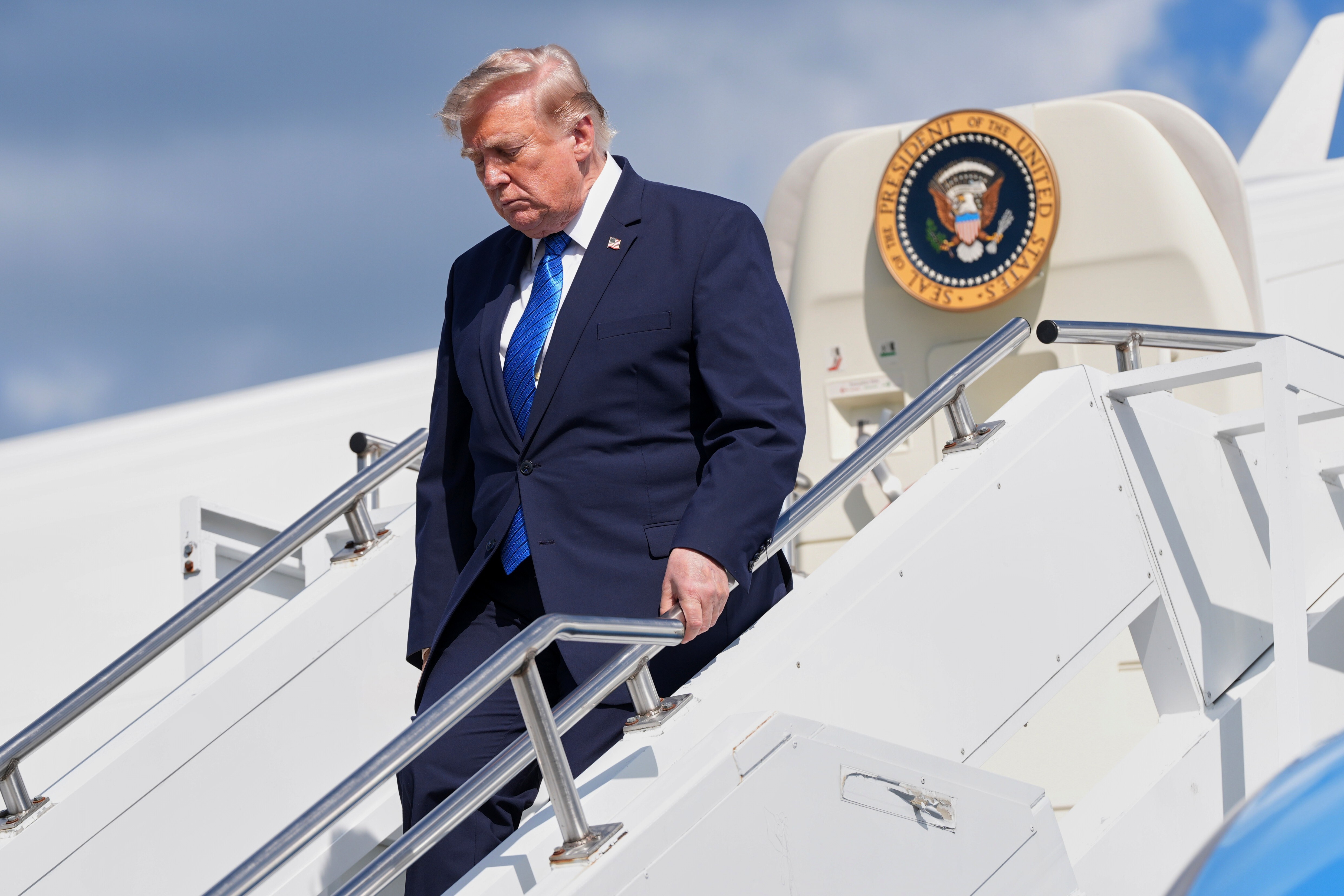
The Israelis have been notified and are coordinating with the United States, according to multiple US sources. The president has yet to give the final go orders for the strikes. A joint operation would mark Israel's return to combat operations, which it had halted during the US-brokered truce. Iran has not hit Israel since the memorandum of understanding fell apart and the US restarted combat operations in early July.
An Israeli official told CBS News that Israel is unaware of a decision to restart full military operations, nor has it been requested to join any military actions against Iran. The military strike plan came up during President Trump's cabinet meeting at Camp David on Friday, according to sources briefed later. Some White House aides who focus on politics were strongly opposed, one of the sources said.
Why It Matters
The potential strikes on Iran's energy infrastructure represent a significant escalation in the ongoing conflict. Al Jazeera reported that Iranian authorities have promised retaliation in case of threatened attacks by the United States against critical energy infrastructure. Major General Ali Abdollahi, head of Iran's wartime military command, said in a statement that the United States is moving at an accelerating pace to fan the flames of a full-scale regional war. He warned that any country that makes itself a defensive shield for criminal, aggressor America will burn in the fire of war.
The warning comes in reaction to reports by major US media outlets that the US and Israel may be imminently launching an extensive wave of attacks against Iran's civilian infrastructure, including power plants and petrochemical manufacturers. President Trump has yet to give final authorization on an operation that could potentially last up to two weeks and aim to cut electricity across Iran's capital, Tehran, and create disruptions across the country, the reports said, citing unnamed sources.
The Washington-based Center for Strategic and International Studies said earlier this week that US air defenses have performed largely well, but persistent combat operations have reduced the inventory of missile interceptors in the US military's arsenal, with Patriot inventories now under 1,000 and THAAD at about 250.
Political Context
The threat of strikes on Iran's energy infrastructure comes amid broader concerns about the conflict's impact on global stability. The Hill reported that the Iran War has reopened the world's most dangerous shipping lane, describing it as a weapons proliferation and maritime terror problem with a direct line to Tehran. This highlights the wider implications of the conflict beyond direct military engagements.
Meanwhile, a Washington Post report indicated that a shortage of Navy destroyers, used to defend against Iranian ballistic missile attacks, will force the head of US European Command to prioritize the US homeland instead. This suggests that the US military is stretched thin, potentially affecting its ability to protect allies like Israel.
What Officials and Groups Are Saying
Iranian state-linked Tasnim news website cited an unnamed source as saying armed forces have prepared an extensive plan of retaliation to the potential madness of the US by hitting vital infrastructure linked with the US and Israel. This indicates that Iran is preparing a significant response to any attack.
On Tuesday, Israel's Defence Minister Israel Katz said that Israel very much wants to strike Iran's energy targets. However, he noted that the United States is not approving it at present because of concern that Iran would strike neighbouring countries and there would be a global oil crisis. This highlights the delicate balance of interests between the US and Israel.
Timeline
- Early July: The US restarts combat operations against Iran after the memorandum of understanding falls apart.
- Late July: Reports emerge that the US and Israel are considering strikes on Iran's energy infrastructure.
- Friday, July 31: The military strike plan is discussed during President Trump's cabinet meeting at Camp David.
- Saturday, August 1: Iranian officials warn of retaliation, and state-linked media report prepared plans.
- Weekend of August 1-2: Strikes are possible, though no final decision has been made.
Frequently Asked Questions
What targets are being considered for strikes?
According to reports, the US and Israel are planning to hit energy-related targets in Iran, including power plants and petrochemical manufacturers. The operation could aim to cut electricity across Tehran and create disruptions across the country.
Has President Trump approved the strikes?
No, President Trump has yet to give final authorization for the operation. The plan was discussed during a cabinet meeting at Camp David, but no final decision has been made.
How has Iran responded to the threats?
Iranian officials have promised retaliation. State-linked media reported that armed forces have prepared an extensive plan to hit vital infrastructure linked with the US and Israel. Major General Ali Abdollahi warned that any country shielding the US would burn in the fire of war.
What are the concerns about the strikes?
There are concerns about the impact on the US and global economy, with discussions about trying to conclude strikes before financial markets open Monday. Israel's defense minister noted that the US is concerned about a global oil crisis if Iran strikes neighbouring countries.
What is the status of US military readiness?
US air defenses have performed well, but interceptor inventories are depleted. Patriot systems are under 1,000 and THAAD at about 250. Additionally, a shortage of Navy destroyers may force the head of US European Command to prioritize homeland defense over protecting Israel.
What Happens Next
The situation remains fluid, with the US and Israel preparing for potential strikes on Iran's energy infrastructure while Tehran warns of retaliation. President Trump has yet to give final approval, and the timing of any operation is uncertain. The coming days will be critical in determining whether the conflict escalates further, with significant implications for regional stability and the global economy. Readers should continue to follow this story as developments unfold.
More from the Foreign Policy desk
 New
New
Trump Cancels Iran Strikes, Cites Agreed Deal Framework
President Trump cancels planned strikes on Iran, citing an agreed framework for a deal, amid Saudi pressure and Tehran's warnings.
 New
New
US Plans Renewed Strikes on Iran as Tehran Vows Response
US reportedly plans renewed strikes on Iran as soon as this weekend, with Tehran vowing to respond, amid tensions over…
 New
New
Trump Approval Hits New Low Amid Iran War, Gas Prices
President Trump's approval rating falls to a second-term low as the Iran war drags on and gas prices surge, with analysts…
 New
New
Trump Announces Hamas Disarmament Deal; Israel Skeptical
President Trump announces a phased Hamas disarmament deal brokered by the Board of Peace, but Israel remains skeptical and…