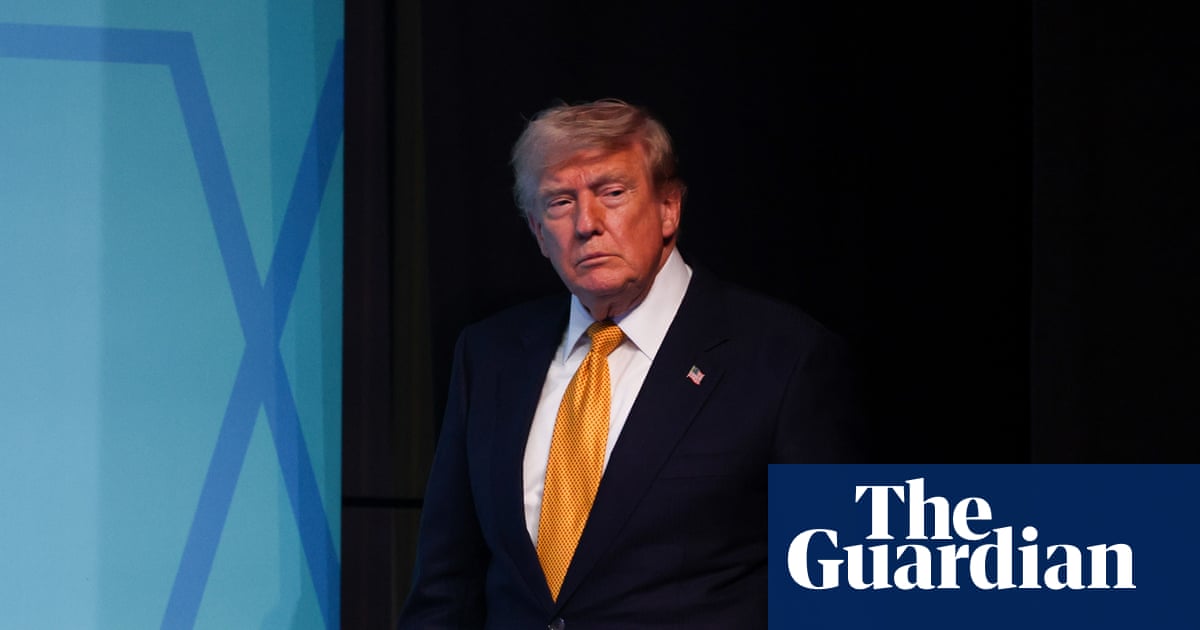
President Donald Trump has fired the remaining members of the independent, bipartisan U.S. Election Assistance Commission (EAC) just months before the 2026 midterm elections, a move that Democrats and voting rights advocates warn could disrupt election administration nationwide. The three remaining commissioners — one Republican appointee and two Democratic appointees — were forced out on July 9, 2026, according to multiple reports from NPR and The Guardian.
Main Story
President Donald Trump has removed the remaining members of the U.S. Election Assistance Commission, an independent federal agency that helps election officials nationwide, just months before the 2026 midterm elections. The three remaining commissioners — one Republican and two Democrats — were forced out on Thursday, July 9, 2026, according to reports from NPR and The Guardian.
The Republican appointee resigned, while the two Democratic appointees received termination emails from the White House presidential personnel office. The email, seen by Reuters, stated: "On behalf of President Donald J. Trump, I am writing to inform you that your position as Commissioner of the Election Assistance Commission is terminated, effective immediately. Thank you for your service." The White House did not respond to requests for comment.
The EAC, established by the Help America Vote Act of 2002, serves as a national clearinghouse for election administration information. It accredits testing laboratories, certifies voting systems, and maintains the national mail-voter registration form developed under the National Voter Registration Act of 1993. The commission is designed to be bipartisan, with no more than two members from the same political party.
Why It Matters
The removal of all commissioners leaves the EAC without a quorum, effectively paralyzing its operations. This could disrupt the certification of voting systems, the accreditation of testing labs, and the maintenance of the federal mail-voter registration form — all critical functions ahead of the November midterms. Voting rights advocates and Democrats have warned that the move could lead to administrative chaos, as state and local election officials rely on the EAC for guidance and resources.
The terminations follow a pattern of Trump administration actions aimed at tightening voting rules. Trump and top officials have advocated for stricter vote-by-mail requirements and have launched investigations into the 2020 election, which Trump has repeatedly claimed without evidence was marred by fraud. Critics argue that the firings are part of a broader effort to undermine confidence in election integrity and suppress voter turnout.
Political Context
The midterm elections, scheduled for November 2026, are seen as a critical test for both parties. Democrats are seeking to regain control of Congress and put checks on Trump's power, while Republicans aim to expand their majorities. The EAC's paralysis could disproportionately affect states with limited election administration resources, potentially leading to longer lines, confusion over voting procedures, and delays in results.
Democrats have condemned the firings as an abuse of power. Voting rights groups have vowed to challenge the move in court, arguing that the president lacks the authority to remove commissioners without cause under the commission's enabling statute. Legal experts have noted that the EAC's structure is designed to insulate it from political interference, and the terminations may violate federal law.
What Officials and Groups Are Saying
Democrats and voting rights advocates have expressed alarm. According to NPR, they described the move as a dangerous escalation that could create chaos in election administration. Some have called for immediate congressional action to restore the commission or provide emergency funding to states. The White House has not commented on the rationale behind the firings.
Republican reactions have been mixed. Some conservative groups have praised the move as a step toward reducing federal oversight of elections, while others have expressed concern about the potential for disruption. The EAC's former commissioners have not publicly commented.
Timeline
- 2002: Help America Vote Act establishes the Election Assistance Commission in response to the 2000 presidential election recount controversy.
- 2020: Trump loses re-election and begins alleging widespread voter fraud, which is not supported by evidence.
- 2025-2026: Trump administration pushes for changes to vote-by-mail requirements and launches investigations into the 2020 election.
- July 9, 2026: Trump fires the remaining three EAC commissioners, leaving the commission without a quorum.
- November 2026: Midterm elections are scheduled to take place.
Frequently Asked Questions
What is the Election Assistance Commission?
The EAC is an independent federal agency created by the Help America Vote Act of 2002. It serves as a national clearinghouse for election administration, accredits voting system testing labs, certifies voting equipment, and maintains the federal mail-voter registration form.
Why did Trump fire the commissioners?
The White House has not provided a public explanation. The firings follow Trump's long-standing criticism of election administration and his push for stricter voting rules. Critics believe the move is intended to disrupt election administration ahead of the midterms.
What happens to the EAC now?
Without a quorum, the EAC cannot conduct most of its operations, including certifying voting systems and accrediting labs. This could create challenges for state and local election officials who rely on the commission's guidance.
Can the firings be challenged in court?
Legal experts say the firings may violate the EAC's enabling statute, which limits the president's ability to remove commissioners. Voting rights groups are expected to file lawsuits to challenge the terminations.
How will this affect the midterm elections?
The impact could vary by state. Some states may face delays in certifying voting equipment or updating voter registration forms. The lack of federal guidance could lead to inconsistencies in election administration across the country.
What Happens Next
The EAC is now effectively paralyzed, with no commissioners to oversee its operations. Legal challenges are expected from voting rights groups and Democratic officials. Congress may also consider legislation to restore the commission or provide emergency funding to states. As the midterms approach, the situation remains fluid, with potential for further executive actions or court rulings that could shape the election landscape. Readers should monitor developments closely, as the outcome could have significant implications for voting access and election integrity in November.
More from the US Elections desk
 New
New
AOC Ties Civil Rights Legacy to November Vote
At the Defend the Vote March on Washington, Alexandria Ocasio-Cortez framed November as a civil-rights turnout test after the…
 Live
Live
Wyoming Senate Primary Results 2026
Unofficial Secretary of State returns show Harriet Hageman leading the open Republican Senate primary and James Byrd leading…
 New
New
Barlow Wins Wyoming GOP Primary, Defeating Trump-Backed Degenfelder
Wyoming state Sen. Eric Barlow, a rancher and veterinarian, has defeated Trump-endorsed Megan Degenfelder in the GOP…
 New
New
Mandela Barnes Drops Out of Wisconsin Governor Race
Former Lt. Gov. Mandela Barnes exits the Democratic primary, citing Francesca Hong's surge, as the race enters its final stretch.