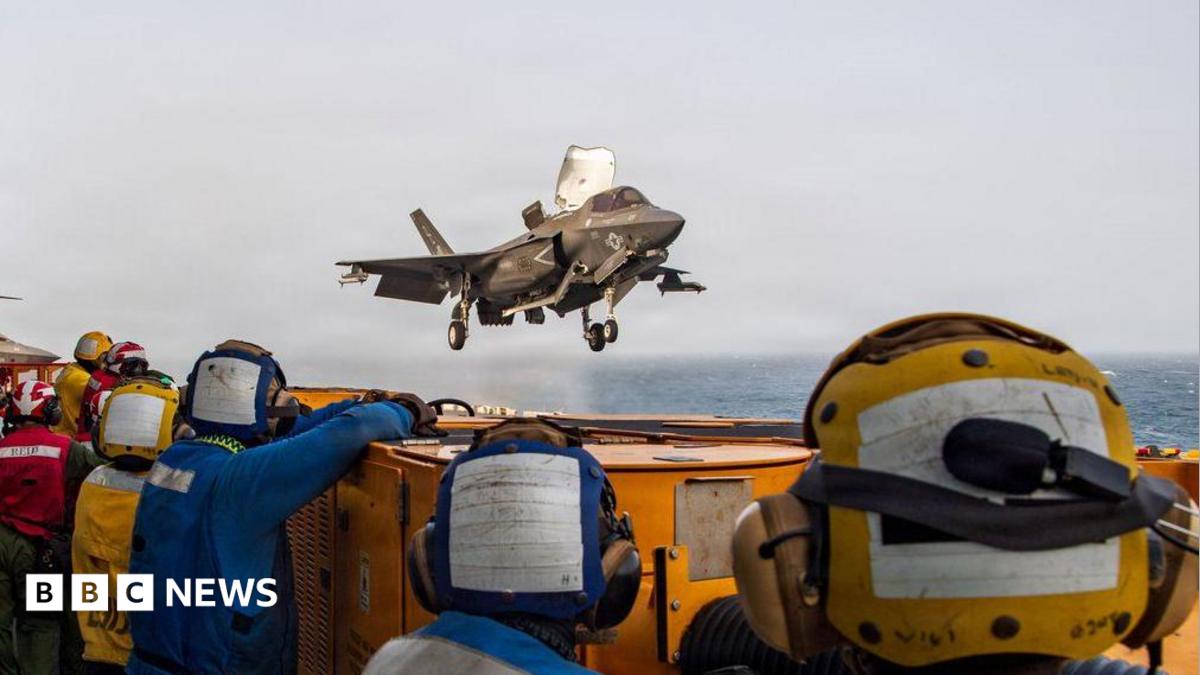
The United States military carried out its tenth consecutive night of airstrikes against Iran on Monday, July 20, 2026, as President Donald Trump vowed to make Iran pay “many times over” for the deaths of three American service members over the weekend. In response, Iran struck two oil tankers in the Strait of Hormuz and claimed attacks on US military assets in Kuwait and Bahrain, escalating a conflict that now directly threatens Gulf allies and global shipping lanes. The strikes, announced by US Central Command (CENTCOM), targeted Iranian military command centers, maritime capabilities, missile and drone launch sites, and air defense systems, according to BBC News.
Main Story
The United States has intensified its military campaign against Iran, launching a tenth consecutive night of airstrikes on Monday. CENTCOM confirmed that the strikes, completed at 9 pm Eastern Time, targeted Iranian military command centers, maritime capabilities, missile and drone launch sites, and air defense systems. The operation was designed to further degrade Iran's ability to attack commercial shipping in the Strait of Hormuz, according to Al Jazeera. Explosions were reported in several Iranian cities, including Sirik, Bandar Abbas, Qeshm Island, Shiraz, and Isfahan, as well as Chabahar and Konarak, per Al Jazeera's live blog.
The escalation follows the deaths of three US service members over the weekend. On Friday, an Iranian missile struck the Muwaffaq Salti base in Jordan, killing two soldiers and leaving a third missing in action. The Pentagon identified the fallen as 25-year-old First Lieutenant Tyler James Feehan from Hawaii and 19-year-old Private Isabella Gonzales from Texas, according to CBS News. Unidentified remains were later found at the site. A third service member was killed in a separate incident in northern Iraq on Saturday during the controlled detonation of an Iranian drone, with another soldier injured, as reported by PBS NewsHour.
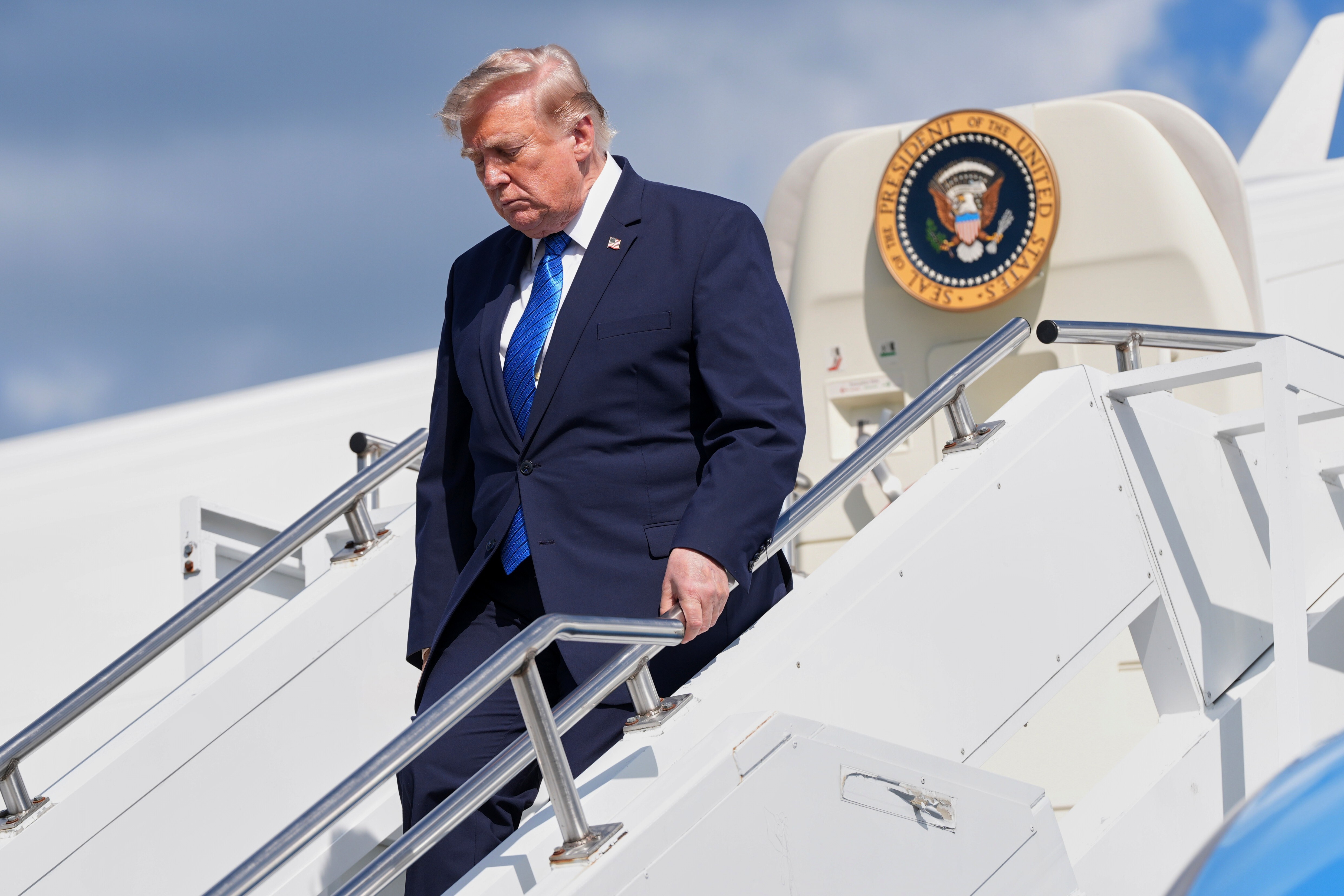
President Trump, returning from the World Cup final, vowed to avenge the deaths. In a social media post, he warned that every time Iran kills an American soldier, they will pay many times over, according to NBC News. He earlier stated that the strikes were carried out in honor of the fallen.
Iran retaliated swiftly. The Islamic Revolutionary Guard Corps (IRGC) claimed to have struck two Greek-owned oil tankers in the Strait of Hormuz, causing massive fires and forcing crews to abandon ship. The United Kingdom Maritime Trade Operations agency reported that a tanker was hit by an unknown projectile, with the crew taking to lifeboats, per BBC News. The IRGC also claimed to have launched strikes on Kuwait, targeting US HIMARS missile systems, radars, satellite receivers, a telecommunications center, and an MQ-9 drone hangar. In Bahrain, they claimed to have destroyed a radar and US air defense systems, according to Al Jazeera.
Why It Matters
The conflict has widened beyond a bilateral US-Iran confrontation, directly involving Gulf states and threatening global oil supplies. Jordan's military shot down three Iranian missiles, and Kuwait intercepted Iranian drones, while Bahrain reported that Iranian drones targeted its air navigation systems, though traffic remained unaffected, per BBC News. The Strait of Hormuz, a vital chokepoint for about a fifth of the world's oil, has become a flashpoint, with Iran attacking commercial vessels and the US vowing to keep the waterway open. CENTCOM stated that commercial vessels continued to pass through the strait despite the attacks, according to BBC News.
Former Jordanian Foreign Minister Marwan Muasher, speaking to PBS NewsHour, expressed concern about the economic disruption and questioned the war's purpose. He noted that the US had already degraded Iran's nuclear capability and that regime change through aerial bombardment was not feasible, arguing that the conflict was hardening Iranian resolve and making a political settlement more difficult.
Political Context
On Capitol Hill, Defense Secretary Pete Hegseth and Chairman of the Joint Chiefs of Staff General Dan Caine are set to testify before the Senate on Tuesday regarding the White House's supplemental funding request for the war, according to The Hill. The hearing comes amid growing scrutiny of the administration's strategy. Separately, retired Lieutenant General Keith Kellogg called for the deployment of US ground troops in Iran and a new American negotiating team, arguing that the war has changed and that a fresh approach is needed, per The Hill.
What Officials and Groups Are Saying
President Trump reiterated earlier warnings that continued Iranian attacks on commercial vessels in the Strait of Hormuz would be met with severe consequences. Iranian President Masoud Pezeshkian described the situation as a full-scale war with the US, though he noted that diplomatic messages were still being exchanged through intermediaries, despite the collapse of a ceasefire, per BBC News. The IRGC claimed responsibility for the tanker attacks and strikes on US assets in Kuwait and Bahrain, vowing to continue retaliatory operations.
Timeline
- July 17-18, 2026: Iranian missile strikes kill two US service members at the Muwaffaq Salti base in Jordan. A third US service member is killed in a separate incident in northern Iraq.
- July 19, 2026: US launches ninth consecutive night of strikes. President Trump vows revenge.
- July 20, 2026: Pentagon identifies two fallen soldiers. US launches tenth consecutive night of strikes. Iran retaliates by striking two oil tankers in the Strait of Hormuz and attacking US assets in Kuwait and Bahrain. Jordan and Kuwait intercept Iranian missiles and drones.
- July 21, 2026: Hegseth and Caine scheduled to testify before Senate on supplemental funding. Kellogg calls for ground troops.
Frequently Asked Questions
Why is the US bombing Iran?
The US says the strikes are aimed at degrading Iran's ability to attack commercial shipping in the Strait of Hormuz and to retaliate for the killing of three American service members, according to BBC News.
How many US service members have been killed?
Three US service members have been killed: two in a missile strike on a base in Jordan and one in a drone incident in northern Iraq, per CBS News.
What has Iran done in retaliation?
Iran struck two oil tankers in the Strait of Hormuz, causing fires and forcing crews to abandon ship. It also claimed attacks on US military assets in Kuwait and Bahrain, including HIMARS systems, radars, and drone hangars, according to Al Jazeera.
Are Gulf states being affected?
Yes. Jordan shot down three Iranian missiles, Kuwait intercepted drones, and Bahrain reported drones targeting its air navigation systems. The conflict is causing economic disruption and regional instability, per PBS NewsHour.
What is the US Congress doing?
Defense Secretary Pete Hegseth and Joint Chiefs Chairman Gen. Dan Caine are set to testify before the Senate on a supplemental funding request for the war, according to The Hill.
What Happens Next
The US-Iran conflict shows no signs of de-escalation, with both sides continuing military operations and vowing further retaliation. The testimony of Defense Secretary Hegseth and General Caine before the Senate on Tuesday will provide insight into the administration's strategy and funding needs. Meanwhile, the widening of the conflict to include Gulf states and the targeting of commercial shipping in the Strait of Hormuz threatens global oil supplies and regional stability. Diplomatic channels remain open through intermediaries, but the prospect of a ceasefire appears distant as the war enters a new, more dangerous phase.
More from the Foreign Policy desk
 New
New
Trump Cancels Iran Strikes, Cites Agreed Deal Framework
President Trump cancels planned strikes on Iran, citing an agreed framework for a deal, amid Saudi pressure and Tehran's warnings.
 New
New
US, Israel Prepare Strikes on Iran Energy Targets
US and Israel are preparing to strike energy-related targets in Iran, sources say, as Tehran warns of retaliation and regional…
 New
New
US Plans Renewed Strikes on Iran as Tehran Vows Response
US reportedly plans renewed strikes on Iran as soon as this weekend, with Tehran vowing to respond, amid tensions over…
 New
New
Trump Approval Hits New Low Amid Iran War, Gas Prices
President Trump's approval rating falls to a second-term low as the Iran war drags on and gas prices surge, with analysts…