The United States has launched a third consecutive night of strikes on Iran, as President Donald Trump announced a naval blockade of Iranian ports and a 20% toll on all cargo shipped through the Strait of Hormuz. The escalation follows an Iranian attack on two UAE tankers that killed one crew member and wounded eight, drawing condemnation from the United Arab Emirates. Former Defense Secretary Mark Esper publicly supported the blockade, calling it the right move. The renewed hostilities mark the end of a monthslong ceasefire and threaten to destabilize global energy markets.
Renewed US Strikes and Blockade
The United States has intensified its military campaign against Iran, launching strikes for a third consecutive night. Iranian media reported explosions on Kish Island, Jam Island, Qeshm Island, Bushehr, and Bandar Abbas, according to Al Jazeera. The strikes follow President Trump's declaration that the US-Iran ceasefire was over, after Iran attacked commercial vessels in the Strait of Hormuz.
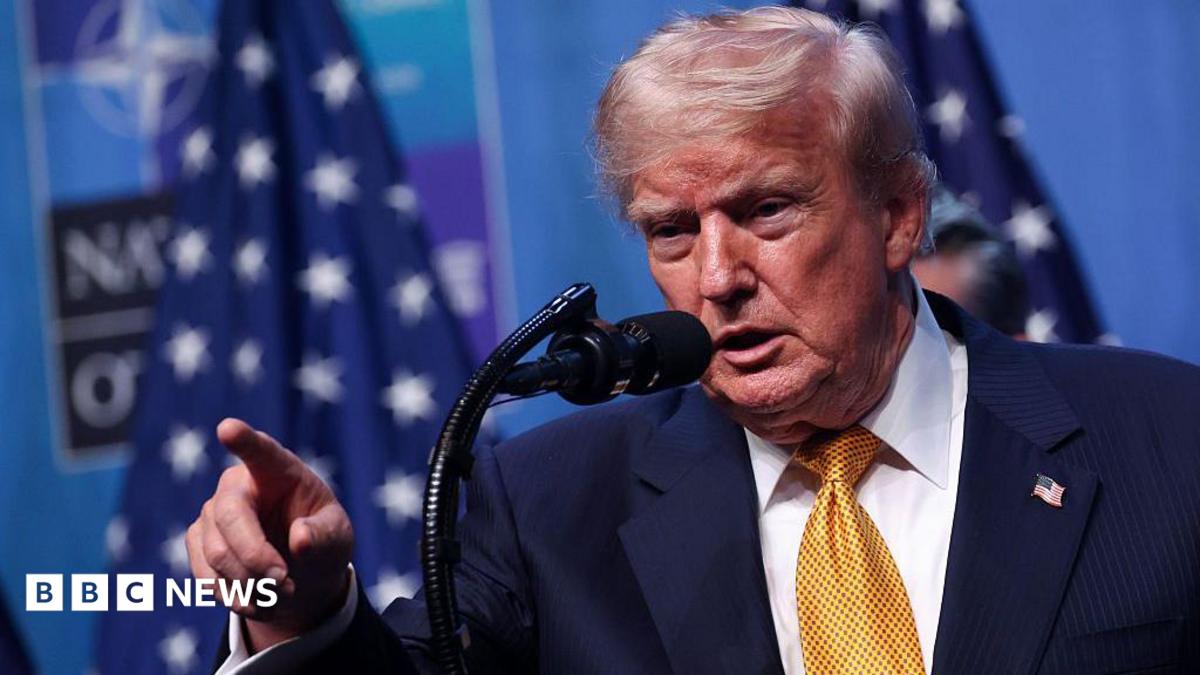
In a Truth Social post, Trump announced the reinstatement of a naval blockade of Iranian ports and a 20% charge on all cargo shipped through the Strait of Hormuz, as reported by BBC News. He declared the US would be known as the Guardian of the Hormuz Strait, demanding reimbursement for the cost of providing security. The blockade is set to take effect at 16:00 Eastern Time on Tuesday.
The move represents a reversal of the administration's earlier position. When Iran previously proposed a similar toll, the Trump administration denounced it, according to PBS NewsHour. Trump argued that rich oil-producing Gulf nations should pay for US protection, as reported by The Hill.
Iranian Response and Tanker Attack
Iran's Islamic Revolutionary Guard Corps confirmed it struck two UAE tankers that it said ignored warnings, turned off navigation systems, and attempted to pass through a mined route, according to BBC News. The attack killed an Indian crew member and wounded eight others, including six Indians and two Ukrainians. The UAE Ministry of Defense condemned the brazen attack as a serious violation of international law.
Iran's foreign minister responded to the blockade announcement by declaring that Tehran would remain the Strait's guardian, using Trump's own word, as reported by BBC News. Iran also claimed to have attacked US military sites in Kuwait and a hostile vessel of the American enemy, according to Al Jazeera.
Congressional Notification and Legal Basis
President Trump formally notified Congress that military action against Iran restarted on July 7, in a letter dated July 10 and addressed to Senator Chuck Grassley, as reported by CBS News. The notification, required under the War Powers Resolution of 1973, described the strikes as limited, measured, and designed to minimize civilian casualties. The goal is to target Iranian military sites that threaten US forces and commercial shipping.
The letter noted that the US had engaged in good-faith diplomatic efforts, leading to a memorandum of understanding last month, but that Iran's attacks on three oil tankers violated the deal's provision requiring safe transit through the Strait of Hormuz, according to CBS News.
Support from Former Defense Secretary Esper
Former Defense Secretary Mark Esper, who served under Trump during his first term, expressed support for the blockade. Speaking on CNN's Erin Burnett OutFront, Esper said he agreed with the president and that reinstating the blockade was the right move, as reported by The Hill. Esper's endorsement carries weight given his experience at the Pentagon and his role in shaping earlier Iran policy.
Strategic and Economic Implications
The Strait of Hormuz is a critical chokepoint for global oil shipments, and the blockade threatens to disrupt energy markets. The 20% toll on cargo could raise costs for shipping companies and consumers worldwide. The UAE's condemnation of Iran's tanker attack underscores the regional stakes, as Gulf states navigate between US pressure and Iranian retaliation.
The resumption of hostilities also raises questions about the viability of a diplomatic solution. Trump insisted a deal was still possible, according to BBC News, but the blockade and ongoing strikes suggest a prolonged confrontation. CBS News national security analyst Aaron MacLean questioned whether the US is fighting an unwinnable war, as reported by CBS News.
Timeline of Key Events
- Late February 2026: US-Iran war begins.
- Early April 2026: Ceasefire signed; hostilities terminate.
- June 2026: US and Iran sign memorandum of understanding.
- Early July 2026: Iran attacks three oil tankers in the Strait of Hormuz.
- July 7, 2026: US military action against Iran formally restarts.
- July 10, 2026: Trump notifies Congress of resumed hostilities.
- July 13, 2026: Third consecutive night of US strikes; Trump announces blockade and 20% toll.
- July 14, 2026: UAE condemns Iranian tanker attack; Iran claims strikes on US sites.
Frequently Asked Questions
What is the Strait of Hormuz and why is it important?
The Strait of Hormuz is a narrow waterway between the Persian Gulf and the Gulf of Oman, through which about 20% of the world's oil passes. It is a critical chokepoint for global energy supplies.
What did President Trump announce?
Trump announced a naval blockade of Iranian ports and a 20% charge on all cargo shipped through the Strait of Hormuz, declaring the US the Guardian of the Hormuz Strait. The blockade takes effect at 16:00 ET on Tuesday.
Why did the US resume strikes on Iran?
The US resumed strikes after Iran attacked commercial vessels in the Strait of Hormuz, violating a provision of the ceasefire deal that required safe transit. Trump declared the ceasefire over.
How did the UAE respond to the tanker attack?
The UAE condemned Iran's attack on two of its tankers as a brazen violation of international law. The attack killed one Indian crew member and wounded eight others.
What did former Defense Secretary Esper say?
Mark Esper said on CNN that reinstating the naval blockade was the right move, expressing support for Trump's decision.
What Happens Next
The US blockade of Iranian ports and the 20% toll on Strait of Hormuz cargo are set to take effect on Tuesday, potentially escalating tensions further. Iran has vowed to remain the guardian of the strait, and further attacks on commercial shipping or US forces are possible. The international community, including Gulf states and major oil consumers, will be watching closely as the conflict threatens to disrupt global energy markets. Diplomatic efforts remain uncertain, with Trump insisting a deal is still possible despite the renewed hostilities. The situation continues to evolve, and readers should follow updates from reliable news sources.
More from the Foreign Policy desk
 New
New
Trump Cancels Iran Strikes, Cites Agreed Deal Framework
President Trump cancels planned strikes on Iran, citing an agreed framework for a deal, amid Saudi pressure and Tehran's warnings.
 New
New
US, Israel Prepare Strikes on Iran Energy Targets
US and Israel are preparing to strike energy-related targets in Iran, sources say, as Tehran warns of retaliation and regional…
 New
New
US Plans Renewed Strikes on Iran as Tehran Vows Response
US reportedly plans renewed strikes on Iran as soon as this weekend, with Tehran vowing to respond, amid tensions over…
 New
New
Trump Approval Hits New Low Amid Iran War, Gas Prices
President Trump's approval rating falls to a second-term low as the Iran war drags on and gas prices surge, with analysts…