
The United States carried out its 13th consecutive night of strikes against Iran on Thursday, with explosions reported across multiple Iranian cities early Friday, as oil prices surged past $100 a barrel and Houthi fighters allowed Chinese-owned tankers to pass through the Bab al-Mandeb strait despite a declared blockade on Saudi Arabia. The escalating conflict has sent tanker crossings in the Strait of Hormuz to their lowest level in more than two months, according to Al Jazeera.
US Strikes Continue for 13th Night
The US Central Command (CENTCOM) said it concluded its latest round of strikes at 01:00 GMT on Friday, targeting Iranian military command centers, drone storage facilities, communication networks, coastal surveillance sites, and maritime capabilities, according to Al Jazeera. Iranian media reported explosions across multiple cities, including Khondab, Khorramabad, Konarak, and Jask. State broadcaster IRIB and semi-official Fars news agency reported that two people were injured in a drone attack on Khorramabad, citing the deputy governor of Lorestan province. Mehr news agency reported US missile strikes hit Andimeshk and Omidiyeh in Khuzestan province, with no casualties. Al Jazeera's Tohid Assidi reported from Tehran that explosions were heard on Qeshm island in the Strait of Hormuz. Attacks on Bandar Abbas injured two people, and Tasnim news agency reported four killed and five injured in a US missile attack near Ahvaz.
Iranian leaders have warned that further attacks could lead to retaliation targeting Gulf nations, as reported by Al Jazeera.
Oil Prices Surge Past $100
Oil prices hit $100 a barrel on Thursday, with Brent futures rising $6.58, or 6.96 percent, to $100.65, the first time since late May, according to Al Jazeera. The surge came after Iran-aligned Houthis declared a naval blockade on shipments from Saudi Arabia on Monday, targeting Saudi, Israeli, and US-linked tankers in the Bab el-Mandeb strait. On Thursday, the Houthis attacked two Saudi oil tankers, with one set ablaze, according to marine analysis firm Windward. The second vessel's status remains unclear.
Ship tracking data from the London Stock Exchange Group shows that two Chinese supertankers carrying crude oil from Saudi Arabia successfully exited the Bab al-Mandeb strait on Friday, despite the blockade, as reported by Al Jazeera. Windward tracking indicates that cargo moving through the Bab el-Mandeb on July 20 was Saudi in origin but Chinese in crew and destination, drawing no interdiction. Michelle Bockmann, a senior maritime intelligence analyst at Windward, said the Houthis have previously relied on China for help, including for drone components, and Chinese vessels have historically received free passage, as reported by Al Jazeera.
Strait of Hormuz Crossings Plummet
The number of tanker crossings in the Strait of Hormuz dropped to the lowest levels in more than two months on Thursday, with just one tanker successfully crossing, according to Al Jazeera. The strait is a critical chokepoint for global oil shipments, and the decline reflects heightened tensions and the ongoing US-Iran conflict.
Trump Threatens to Use Frozen Iranian Assets
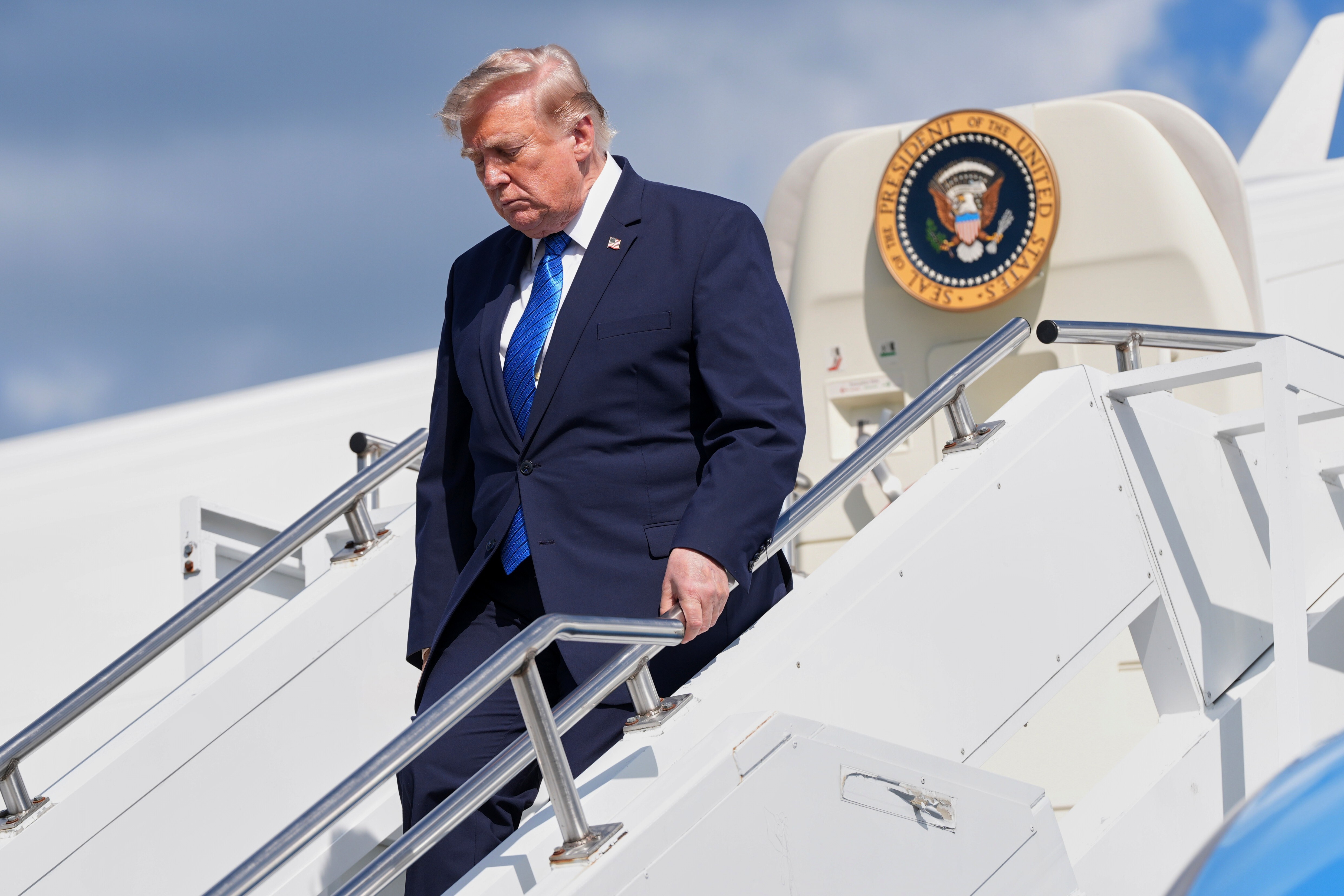
US President Donald Trump pledged on his Truth Social platform to use frozen Iranian assets to pay for any damage to ships and cargo in the Strait of Hormuz, according to Al Jazeera. Trump said damages would be paid for by Iranian money that the United States has in its possession and controls, calling it a fair and equitable approach. He also said he is considering a massive attack on Iran, bigger than ever before.
Iranian Foreign Minister Abbas Araghchi condemned the threat in a post on X, saying seizing another country's assets to pay for unrelated future claims sets an incendiary precedent. He warned that if governments normalize confiscation, no one's assets are safe, and the ensuing chaos will not be pretty or peaceful, as reported by Al Jazeera. The exact amount of frozen Iranian assets is not known, but some estimates put it at about $100 billion. Washington first froze Iranian funds in 1979 after US citizens were taken hostage at the US embassy in Tehran.
Pentagon Removes Four Fallen Soldiers from Official List
The Pentagon's official online list of service members killed in the Iran war does not include four soldiers who died during renewed fighting over the weekend, according to The Guardian. The list, last updated on Wednesday, shows 14 US military personnel killed during Operation Epic Fury, the Pentagon's name for the US-Israeli war on Iran launched on February 28. A separate Names of Fallen list includes just 13 service members. The New York Times reported that the Pentagon website listed 18 American service members on Wednesday but changed to 14 on Thursday, excluding three killed last Friday, Saturday, and Sunday as Iran retaliated with an attack on a base used by US forces in Jordan, and a fourth soldier killed during a controlled detonation of an Iranian drone at Erbil air base in Iraq.
Timeline of Escalation
- February 28, 2026: US launches Operation Epic Fury, a US-Israeli war on Iran.
- July 2026: Tensions escalate as US and Iran trade attacks. Iran targets US military bases in the region.
- July 20, 2026: Houthis declare naval blockade on Saudi Arabia, targeting Saudi, Israeli, and US-linked tankers.
- July 23, 2026: Pentagon list of fallen service members reduced from 18 to 14, excluding four recent deaths.
- July 24, 2026: US launches 13th consecutive night of strikes. Oil prices hit $100 a barrel. Houthis attack two Saudi tankers. Two Chinese supertankers pass through Bab el-Mandeb. Trump threatens to use frozen Iranian assets.
Frequently Asked Questions
Why is the US striking Iran for 13 consecutive nights?
The US has been conducting strikes against Iranian military targets in response to Iranian retaliation for earlier US and Israeli attacks. The strikes aim to degrade Iran's military capabilities, including command centers, drone storage, and coastal surveillance sites, according to Al Jazeera.
Why are oil prices rising?
Oil prices surged past $100 a barrel due to the Houthi blockade on Saudi shipments in the Red Sea and the disruption of tanker traffic in the Strait of Hormuz. The Houthi attacks on Saudi tankers and the broader US-Iran conflict have raised fears of supply disruptions, as reported by Al Jazeera.
Are Chinese ships being allowed to pass through the Houthi blockade?
Yes, two Chinese supertankers carrying Saudi crude successfully exited the Bab al-Mandeb strait on Friday, despite the Houthi blockade. The Houthis have historically given Chinese vessels free passage, according to Al Jazeera.
What is Trump's plan for frozen Iranian assets?
President Trump has threatened to use frozen Iranian assets, estimated at about $100 billion, to pay for damages to ships and cargo in the Strait of Hormuz. Iran has condemned this as an incendiary precedent, according to Al Jazeera.
Why did the Pentagon remove four soldiers from its list of fallen?
The Pentagon's official list of service members killed in the Iran war was reduced from 18 to 14, excluding four soldiers who died over the weekend. The reasons for the removal are unclear, but it has raised questions about transparency, as reported by The Guardian.
What Happens Next
The US-Iran conflict shows no signs of de-escalation, with the US continuing nightly strikes and Iran warning of retaliation against Gulf nations. Oil markets remain volatile as the Houthi blockade selectively targets Saudi and allied vessels while allowing Chinese ships to pass, creating uncertainty for global crude supplies. The Trump administration's threat to use frozen Iranian assets adds a new dimension to the economic confrontation. The Pentagon's handling of casualty figures may face further scrutiny. Readers should watch for further US strikes, Iranian retaliatory actions, and the trajectory of oil prices as key indicators of the conflict's direction.
More from the Foreign Policy desk
 New
New
Trump Cancels Iran Strikes, Cites Agreed Deal Framework
President Trump cancels planned strikes on Iran, citing an agreed framework for a deal, amid Saudi pressure and Tehran's warnings.
 New
New
US, Israel Prepare Strikes on Iran Energy Targets
US and Israel are preparing to strike energy-related targets in Iran, sources say, as Tehran warns of retaliation and regional…
 New
New
US Plans Renewed Strikes on Iran as Tehran Vows Response
US reportedly plans renewed strikes on Iran as soon as this weekend, with Tehran vowing to respond, amid tensions over…
 New
New
Trump Approval Hits New Low Amid Iran War, Gas Prices
President Trump's approval rating falls to a second-term low as the Iran war drags on and gas prices surge, with analysts…