
The United States military launched a wave of retaliatory airstrikes against Iran on Saturday evening, responding to an Iranian attack on two US military bases in Jordan a day earlier that killed two American service members, according to the US Central Command (Centcom). The strikes, which began at 6 p.m. EDT, mark a significant escalation in the ongoing conflict between the two nations and represent the eighth consecutive night of US attacks on Iranian targets, as reported by Al Jazeera.
Main Story
The US military's retaliatory strikes against Iran on Saturday evening were a direct response to an Iranian attack on US bases in Jordan that killed two American soldiers. The attack, which occurred a day prior, targeted two military installations, prompting the US to launch a new wave of airstrikes beginning at 6 p.m. EDT, as confirmed by US Central Command. According to The Hill, the strikes were part of an effort to deter further aggression and hold Iran accountable for the deaths of US service members.
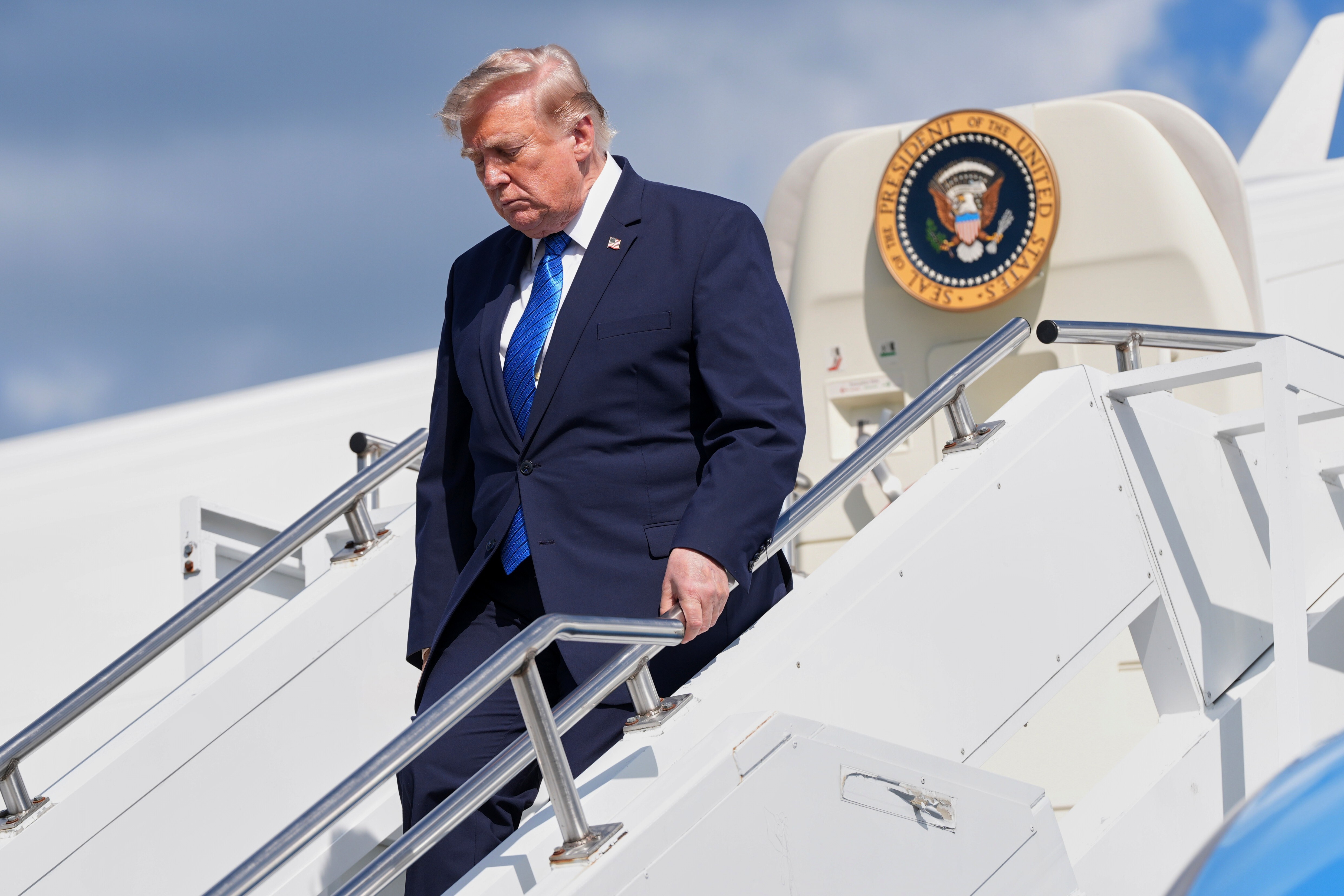
The Iranian attack on Jordanian bases marked a significant escalation in the broader US-Iran conflict, which has seen repeated exchanges of fire in recent weeks. CBS News reported that at least two US soldiers were killed in the attack, with additional injuries likely. The incident has drawn widespread attention, with US President Donald Trump commenting on the deaths, calling them a very sad thing, as noted by Al Jazeera. Trump also reiterated his administration's stance that the US will never allow Iran to develop a nuclear weapon, signaling a continued hardline approach.
Why It Matters
The US retaliatory strikes represent a major escalation in the conflict between the United States and Iran, which has been ongoing for several months. The killing of US soldiers on Jordanian soil is a significant development, as it marks the first time in this conflict that American service members have been killed in an Iranian attack on a base outside of Iran. This has raised the stakes for the US, which has now launched eight consecutive nights of strikes against Iranian targets, according to Al Jazeera. The sustained campaign indicates a shift from limited strikes to a more aggressive posture, potentially drawing the US deeper into a prolonged military engagement.
The attack on Jordan also has implications for regional stability. Jordan, a key US ally, has been relatively insulated from the direct conflict, but the Iranian strike on its soil could draw the country into the fray. The US response may also affect relations with other regional partners, who are watching the escalation closely. The international community has expressed concern over the potential for a wider war, with diplomatic efforts to de-escalate appearing increasingly fragile.
Political Context
The US strikes come amid a politically charged environment in the United States. President Trump, who has made a强硬 stance on Iran a cornerstone of his foreign policy, has faced criticism from some quarters for the escalating conflict. However, the killing of US soldiers has galvanized support for retaliation, with many lawmakers from both parties calling for a robust response. According to Al Jazeera, Trump's comments on the deaths reflect his administration's narrative of strength and deterrence, but the ongoing strikes have raised questions about the endgame. Critics argue that the sustained bombing campaign risks further escalation without a clear strategy for de-escalation or a diplomatic resolution.
The conflict has also become a key issue in the 2026 midterm elections, with candidates from both parties debating the wisdom of the military campaign. The administration has defended its actions as necessary to protect US interests and prevent Iran from acquiring nuclear weapons, a goal Trump has repeatedly emphasized. However, the human cost of the conflict, including the deaths of US soldiers, has intensified scrutiny of the administration's policies.
What Officials and Groups Are Saying
US Central Command announced the strikes, stating they were in retaliation for the Iranian attack on US bases in Jordan. The command did not provide specific details on the targets or the extent of damage, but described the operation as a direct response to the killing of US service members. According to The Hill, the strikes were part of a broader effort to degrade Iranian military capabilities and deter future attacks.
President Trump, in his remarks, expressed condolences for the fallen soldiers and reiterated his commitment to preventing Iran from obtaining a nuclear weapon. He described the deaths as a very sad thing, according to Al Jazeera, but did not provide details on the next steps. The administration has signaled that it will continue military operations as necessary to protect US forces and interests.
Iranian officials have not yet commented on the latest US strikes, but previous attacks have drawn threats of retaliation. The Iranian attack on Jordan was itself a response to earlier US strikes, indicating a cycle of escalation that shows no signs of abating. Regional analysts have warned that the conflict could spiral out of control, drawing in other actors and destabilizing the Middle East.
Timeline
- July 17, 2026: Iranian forces attack two US military bases in Jordan, killing two American soldiers and injuring others. (CBS News)
- July 18, 2026 (6 p.m. EDT): US Central Command announces retaliatory airstrikes against Iran, marking the eighth consecutive night of US attacks. (The Hill)
- July 18, 2026: President Trump comments on the deaths, calling them a very sad thing and vowing to prevent Iran from obtaining a nuclear weapon. (Al Jazeera)
Frequently Asked Questions
Why did the US launch airstrikes against Iran?
The US launched airstrikes in retaliation for an Iranian attack on US military bases in Jordan that killed two American soldiers. The strikes were intended to hold Iran accountable and deter future aggression, according to US Central Command.
How many US soldiers were killed in the Iranian attack?
Two US service members were killed in the Iranian attack on a military base in Jordan, as reported by CBS News and other outlets.
How many consecutive nights has the US struck Iran?
The US has launched strikes against Iran for eight consecutive nights, including the latest wave on July 18, 2026, according to Al Jazeera.
What did President Trump say about the deaths?
President Trump called the deaths a very sad thing and reiterated that the US will never allow Iran to have a nuclear weapon, as reported by Al Jazeera.
What is the broader context of the US-Iran conflict?
The conflict has escalated over several months, with repeated exchanges of fire. The US has conducted sustained airstrikes against Iranian targets, while Iran has attacked US bases and allies in the region. The killing of US soldiers in Jordan marks a significant escalation.
What Happens Next
The US retaliatory strikes against Iran are likely to continue as the administration seeks to degrade Iranian military capabilities and prevent further attacks on US forces. The killing of US soldiers in Jordan has raised the stakes, and the US has signaled that it will not tolerate such aggression. However, the sustained campaign risks further escalation, with Iran potentially responding with additional attacks on US bases or allies. Diplomatic efforts to de-escalate the conflict have so far failed, and the situation remains volatile. Readers should watch for further developments, including potential Iranian retaliation and the US response, as the conflict enters a new and more dangerous phase.
More from the Foreign Policy desk
 New
New
Trump Cancels Iran Strikes, Cites Agreed Deal Framework
President Trump cancels planned strikes on Iran, citing an agreed framework for a deal, amid Saudi pressure and Tehran's warnings.
 New
New
US, Israel Prepare Strikes on Iran Energy Targets
US and Israel are preparing to strike energy-related targets in Iran, sources say, as Tehran warns of retaliation and regional…
 New
New
US Plans Renewed Strikes on Iran as Tehran Vows Response
US reportedly plans renewed strikes on Iran as soon as this weekend, with Tehran vowing to respond, amid tensions over…
 New
New
Trump Approval Hits New Low Amid Iran War, Gas Prices
President Trump's approval rating falls to a second-term low as the Iran war drags on and gas prices surge, with analysts…