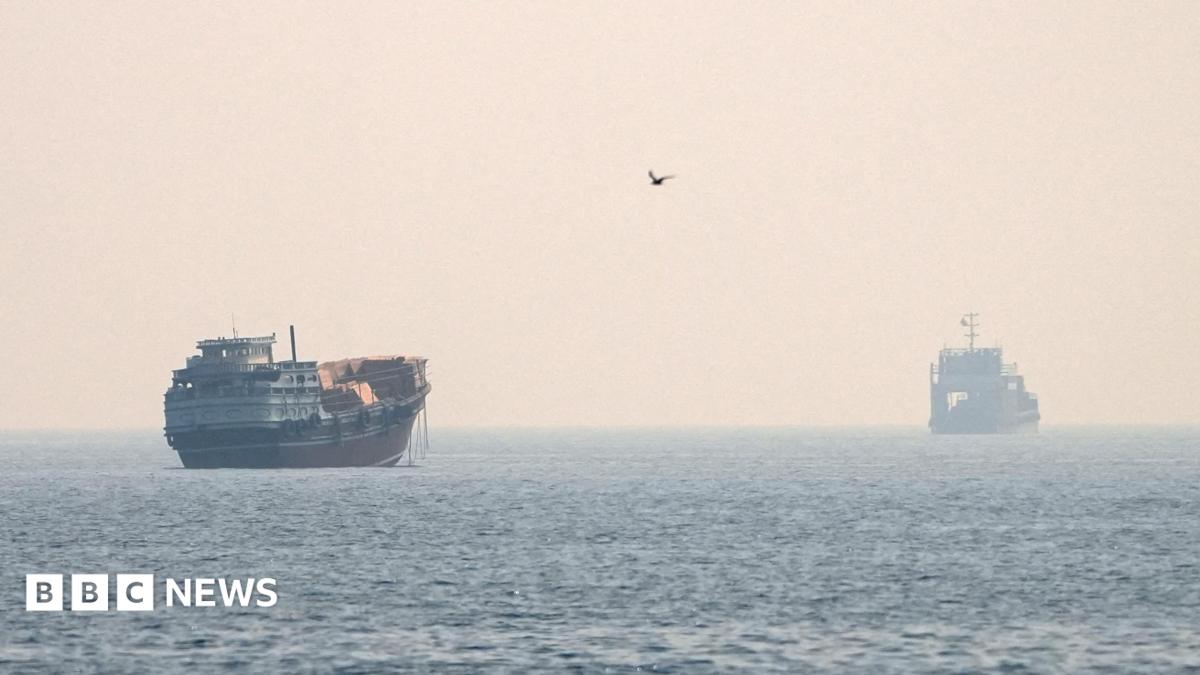
The United States military launched a third round of strikes against Iran on Saturday, July 12, 2026, after Iran's Islamic Revolutionary Guard Corps (IRGC) closed the Strait of Hormuz and attacked a Cyprus-flagged container ship, according to BBC News. The strikes mark a significant escalation in the conflict, with both sides trading threats and regional mediators urgently working to revive diplomatic channels.
Main Story
The latest round of US strikes came after the IRGC struck the Cyprus-flagged container ship MV GFS Galaxy, which was traveling through the Strait of Hormuz. According to BBC News, the vessel was attacked after it turned off its systems and diverted from the approved route, according to Iranian state media. US Central Command confirmed that the ship suffered significant damage to its engine room and was unable to continue its journey. One civilian crew member was reported missing, and the UK Maritime Trade Operations (UKMTO) indicated that the crew were forced to abandon ship and were in a lifeboat.
In a statement shared on X, Centcom said that Iran was provided another opportunity to demonstrate adherence to the Memorandum of Understanding after being held accountable for earlier attacks on commercial vessels but had again failed. The statement was shared by US Secretary of Defense Pete Hegseth, who wrote that Iran made a poor choice and now they pay, as reported by BBC News.
Iran's IRGC declared the Strait of Hormuz closed until further notice, warning that any US aggression in response would be met with severity and that new bases in the region would be targeted. The Guards stated that the vessel was hit by warning shots and stopped after ignoring repeated instructions, according to a statement carried by state news agency, per BBC News.
Why It Matters
The Strait of Hormuz is a critical oil trading passage, and its closure threatens global energy supplies and maritime security. The escalation follows a series of incidents earlier this week in which three commercial tankers were attacked as they tried to cross a US-recommended route through Omani waters. Iran has repeatedly stated that the only safe route is a separate route through its waters. The earlier incidents prompted a series of US strikes in which 17 people were killed and 115 injured, according to Iranian officials, as reported by BBC News. Iran responded with strikes on US allies in the Gulf, further raising tensions.
Political Context
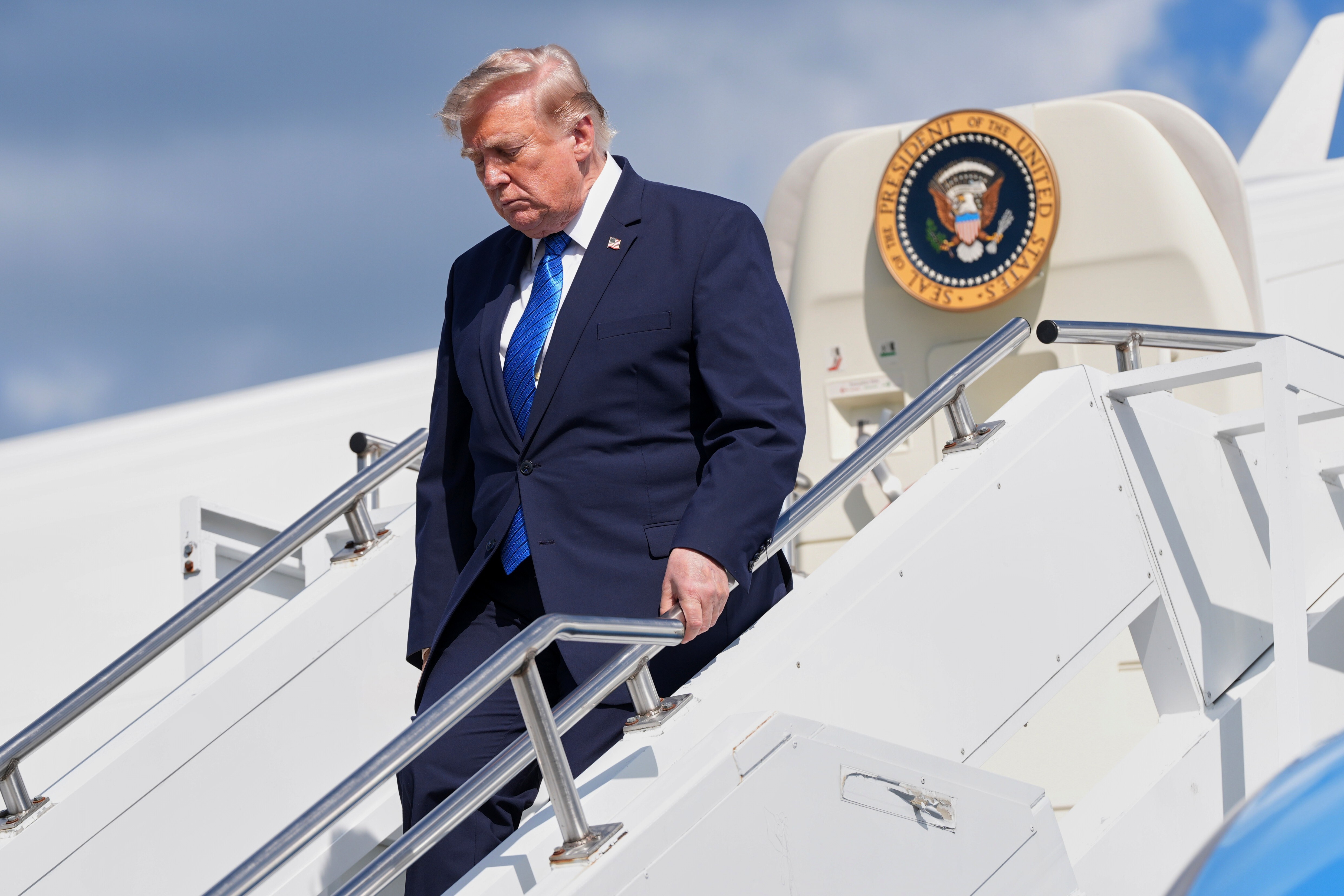
US President Donald Trump declared that the Iranian attacks mean the ceasefire is over, but also indicated that talks would continue and mediators were trying to revive the process, according to BBC News. Trump told reporters on his way back from the NATO summit in Turkey that he was Iran's number one target, as reported by The Hill. Meanwhile, Iran's new Supreme Leader, Mojtaba Khamenei, vowed revenge for his father's killing, saying it is the demand of his country. Khamenei has not been seen since he was severely injured when the war began, and his father was killed early in the war by US and Israeli air strikes, according to NBC News.
US media has reported that Iran told American officials the attacks on tankers were a mistake and blamed a rogue internal group, as noted by BBC News. American officials say they have conveyed this message, but the situation remains highly volatile.
What Officials and Groups Are Saying
US Secretary of Defense Pete Hegseth characterized the Iranian attack as a poor choice that would have consequences. Iran's Foreign Minister Abbas Araghchi accused the US of violating the deal, according to BBC News. The IRGC warned that any US aggression would be responded to with severity and that new bases in the region would be targeted. Regional mediators, including Qatar and Oman, are stepping up efforts to prevent further escalation. Qatar held talks in Tehran, while Oman is proposing a plan to manage shipping through the Strait of Hormuz, as reported by Al Jazeera.
Timeline
- Early July 2026: Three commercial tankers are attacked in Omani waters, prompting US strikes on Iran. 17 killed, 115 injured according to Iranian officials.
- July 11, 2026: Iran's IRGC strikes the Cyprus-flagged MV GFS Galaxy in the Strait of Hormuz, closing the waterway. The US launches a third round of strikes.
- July 12, 2026: Explosions reported in Iranian port cities. Mediators push for talks in Qatar and Oman. Iran's Supreme Leader vows revenge.
Frequently Asked Questions
Why did Iran close the Strait of Hormuz?
Iran's IRGC closed the Strait of Hormuz after attacking a Cyprus-flagged container ship that it said deviated from an approved route. The Guards stated the vessel was hit by warning shots and stopped after ignoring repeated instructions, according to BBC News.
How many US strikes have been launched?
The US has launched three rounds of strikes this week, with the latest on July 12, 2026, according to The Hill.
What is the role of regional mediators?
Qatar and Oman are mediating between the US and Iran. Qatar held talks in Tehran, and Oman is proposing a plan to manage shipping through the Strait of Hormuz, as reported by Al Jazeera.
What did Iran's Supreme Leader say?
Mojtaba Khamenei vowed revenge for his father's killing, calling it the demand of his country. He has not been seen since being severely injured earlier in the war, according to NBC News.
What is the global impact of the Strait of Hormuz closure?
The Strait of Hormuz is a critical oil trading passage. Its closure threatens global energy supplies and maritime security, with potential economic repercussions worldwide.
What Happens Next
The situation remains highly volatile, with the US and Iran both signaling readiness for further military action. Regional mediators are working to revive diplomatic talks, but the closure of the Strait of Hormuz and the exchange of strikes suggest that the conflict could escalate further. The international community is closely watching for any signs of de-escalation or further confrontation. Readers should continue to follow this story as it develops, as the outcome will have significant implications for global energy markets and Middle East stability.
More from the Foreign Policy desk
 New
New
Trump Cancels Iran Strikes, Cites Agreed Deal Framework
President Trump cancels planned strikes on Iran, citing an agreed framework for a deal, amid Saudi pressure and Tehran's warnings.
 New
New
US, Israel Prepare Strikes on Iran Energy Targets
US and Israel are preparing to strike energy-related targets in Iran, sources say, as Tehran warns of retaliation and regional…
 New
New
US Plans Renewed Strikes on Iran as Tehran Vows Response
US reportedly plans renewed strikes on Iran as soon as this weekend, with Tehran vowing to respond, amid tensions over…
 New
New
Trump Approval Hits New Low Amid Iran War, Gas Prices
President Trump's approval rating falls to a second-term low as the Iran war drags on and gas prices surge, with analysts…