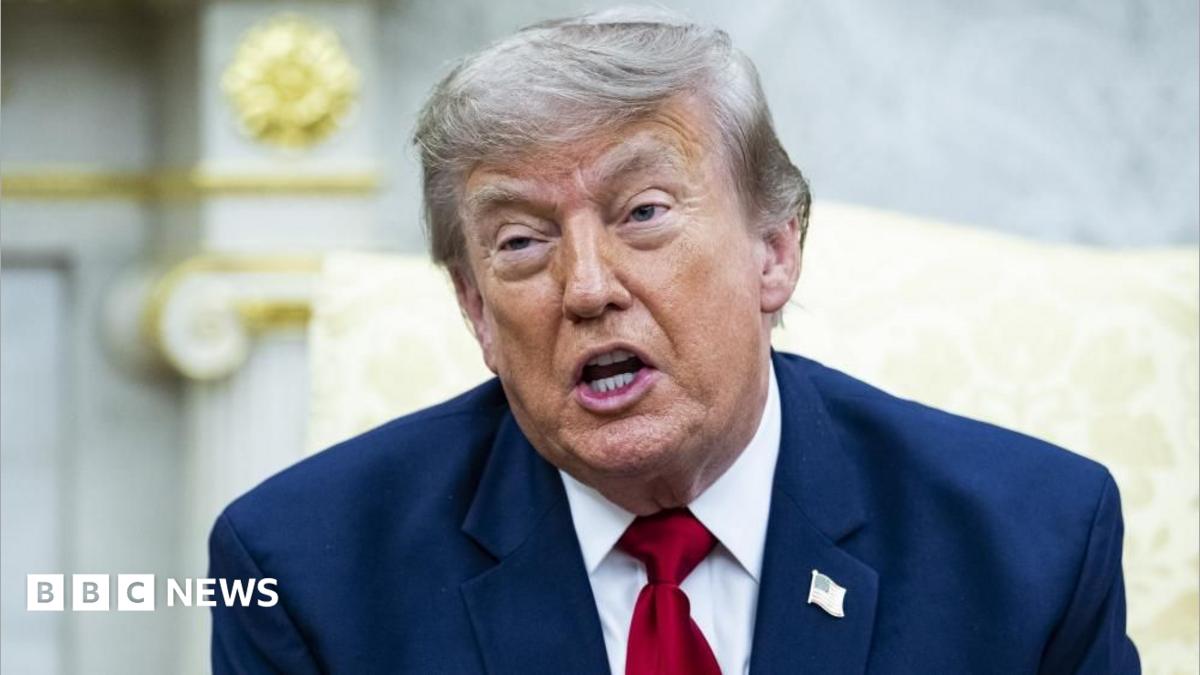
The United States has entered a new phase in its military campaign against Iran, with President Donald Trump threatening to bomb bridges and power plants unless Tehran returns to negotiations, as American and Iranian forces exchanged fire for a fourth consecutive day. The escalation, which includes a resumed naval blockade of Iranian ports and a seven-hour wave of strikes on dozens of military targets near the Strait of Hormuz, marks a significant intensification of hostilities between the two nations, according to BBC News and The Hill.
Main Story
The conflict between the United States and Iran has entered a dangerous new phase, with President Trump explicitly threatening to target civilian infrastructure in Iran unless the country agrees to resume negotiations. In an interview with Fox News that aired on Tuesday night, Trump warned that next week would become very bad for Iran, stating that the US would knock out all of Iran's power plants and bridges if Tehran did not come to the table and negotiate, according to BBC News. He also indicated that energy targets would be saved for last but would ultimately be hit, and that US negotiators had conveyed to their Iranian counterparts on Tuesday evening that they better make a deal or they would not have anything left, as reported by BBC News.
The threats came as the US military carried out a seven-hour wave of strikes on Iran and resumed a blockade of its ports. Centcom announced that it hit dozens of Iranian military targets near the Strait of Hormuz, aiming to further degrade Iran's ability to threaten commercial shipping and civilian crews, according to The Hill. The strikes followed the resumption of a naval blockade at 4 p.m. EDT, with over 20 US Navy warships involved, as reported by The Hill.
In response, Tehran fired missiles and drones at US targets in Jordan, Kuwait, and Bahrain, according to Iranian state-run television IRIB, as reported by BBC News. Kuwait's military confirmed it was intercepting Iranian attack drones, while Bahrain activated air raid sirens and urged citizens to remain calm and head to the nearest safe place, per BBC News.
Why It Matters
The escalation represents a significant shift in US strategy, moving from targeted strikes on military assets to explicit threats against civilian infrastructure. Trump's earlier threat in April to bomb civilian infrastructure in Iran, including bridges and power plants, drew a response from UN human rights chief Volker Turk, who noted that deliberately attacking civilians and civilian infrastructure is a war crime under international law, according to BBC News. The 1949 Geneva Conventions prohibit attacks on sites considered essential for civilians, as reported by BBC News.
The conflict is also taking a heavy toll on Iran's southern coast, with communities bearing the brunt of US attacks, as highlighted by Al Jazeera. The US has accused Iran of intentionally targeting civilians by attacking seven commercial ships, resulting in nearly a dozen civilian crew members killed, missing, or injured, according to Centcom, as reported by BBC News.
Political Context
Trump's escalation in rhetoric comes after he reversed a threat of a 20% toll on all Strait of Hormuz cargo shipping, replacing it with massive trade and investment deals with Gulf states, according to BBC News. The announcement was made hours before the US military carried out its latest wave of strikes and resumed the blockade, as reported by BBC News. The New York Times noted that as Trump resumes his war, the focus is now on the Strait of Hormuz, but it remains unclear how far the US military will go to exert control, according to NYT Politics.
What Officials and Groups Are Saying
President Trump warned that the US is going to hit Iran very hard, gradually expanding strikes across Iran's infrastructure, in an interview with Fox News's Trey Yingst, as reported by The Hill. The Kuwaiti army stated that its air defenses were engaging hostile drone attacks following the nefarious Iranian aggression, while Bahrain's interior ministry urged citizens and residents to remain calm and head to the nearest safe place, according to BBC News. Centcom's commander noted that Iran had intentionally targeted civilians in the region by attacking seven commercial ships, resulting in nearly a dozen civilian crew members killed, missing, or injured, as reported by BBC News.
Timeline
- April 2026: Trump first threatens to bomb civilian infrastructure in Iran, including bridges and power plants. UN human rights chief Volker Turk responds that deliberately attacking civilians and civilian infrastructure is a war crime, per BBC News.
- July 14, 2026: Trump, in a Fox News interview, threatens to strike Iran's bridges and power plants next week if Iran does not return to talks. He also reverses a threat of a 20% fee on Strait of Hormuz shipping, per BBC News.
- July 14, 2026 (4 p.m. EDT): US resumes naval blockade of Iranian ports with over 20 Navy warships, per The Hill.
- July 14, 2026 (10 p.m. EDT): Centcom completes a seven-hour wave of strikes on dozens of military targets near the Strait of Hormuz and Iran's coastal region, per The Hill.
- July 14-15, 2026: Iran fires missiles and drones at US targets in Jordan, Kuwait, and Bahrain. Kuwait intercepts drones, Bahrain activates air raid sirens, per BBC News.
Frequently Asked Questions
What did President Trump threaten?
Trump threatened to bomb Iran's bridges and power plants next week if Iran does not return to negotiations, according to BBC News.
What military actions has the US taken?
The US resumed a naval blockade of Iranian ports with over 20 warships and carried out a seven-hour wave of strikes on dozens of military targets near the Strait of Hormuz, per The Hill.
How has Iran responded?
Iran fired missiles and drones at US targets in Jordan, Kuwait, and Bahrain, according to Iranian state television IRIB, as reported by BBC News.
What are the legal implications of targeting civilian infrastructure?
UN human rights chief Volker Turk has stated that deliberately attacking civilians and civilian infrastructure is a war crime under international law, and the Geneva Conventions prohibit attacks on sites essential for civilians, per BBC News.
What is the status of the Strait of Hormuz?
Trump reversed a threat of a 20% fee on all Strait of Hormuz cargo shipping, replacing it with trade deals with Gulf states. Shipping traffic through the strait has slowed dramatically, per BBC News.
What Happens Next
The coming days will be critical as Trump's deadline for Iran to return to talks approaches. The US has signaled it will continue to expand strikes across Iran's infrastructure if no deal is reached, while Iran has demonstrated its ability to retaliate against US allies in the region. The international community, including the UN, has raised concerns about the legality of targeting civilian infrastructure. The situation remains highly volatile, with the potential for further escalation that could draw in more regional actors and disrupt global shipping through the Strait of Hormuz. Readers should watch for any diplomatic breakthroughs or further military actions that could shape the trajectory of this conflict.
More from the Foreign Policy desk
 New
New
Trump Cancels Iran Strikes, Cites Agreed Deal Framework
President Trump cancels planned strikes on Iran, citing an agreed framework for a deal, amid Saudi pressure and Tehran's warnings.
 New
New
US, Israel Prepare Strikes on Iran Energy Targets
US and Israel are preparing to strike energy-related targets in Iran, sources say, as Tehran warns of retaliation and regional…
 New
New
US Plans Renewed Strikes on Iran as Tehran Vows Response
US reportedly plans renewed strikes on Iran as soon as this weekend, with Tehran vowing to respond, amid tensions over…
 New
New
Trump Approval Hits New Low Amid Iran War, Gas Prices
President Trump's approval rating falls to a second-term low as the Iran war drags on and gas prices surge, with analysts…