The Trump administration is intensifying its crackdown on immigration and voter registration groups, with Immigration and Customs Enforcement (ICE) moving to deploy electric-shock gloves, detained immigrants launching a mass hunger strike in Georgia, and federal investigators targeting nonprofits ahead of the midterms. The three developments, reported this week, signal a broadening of enforcement actions that critics say threaten civil liberties and due process.
Main Story
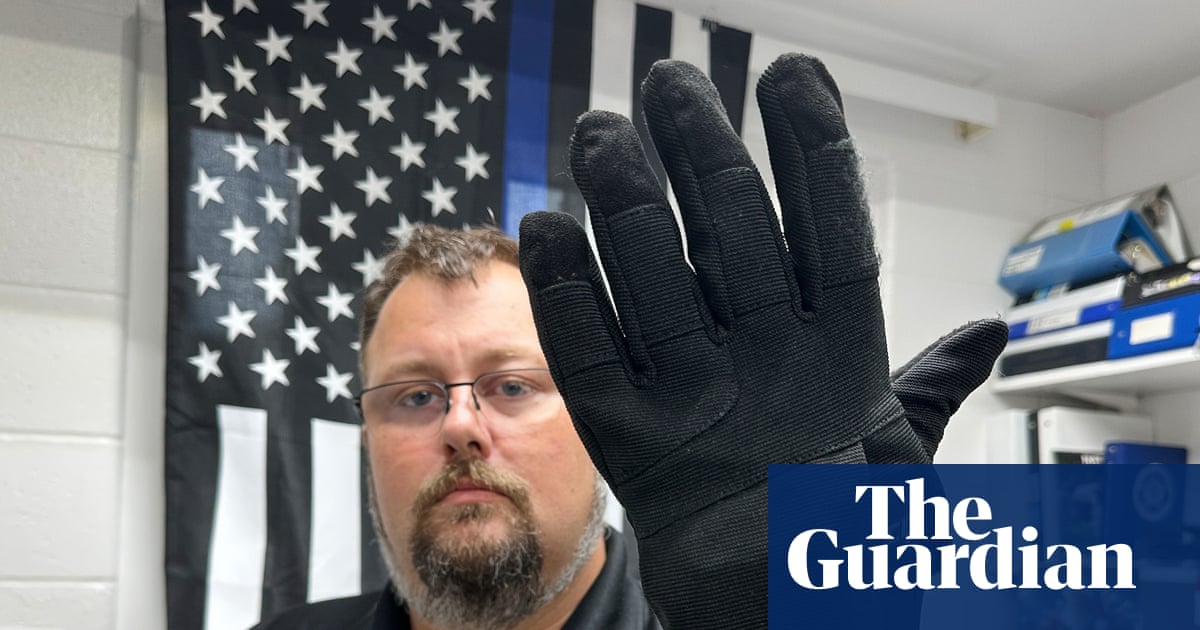
Immigration and Customs Enforcement has signed a $16.7 million contract to buy 6,000 pairs of electric-shock gloves, according to records obtained by the watchdog group American Oversight and shared with the Associated Press. The move follows a previously unreleased Army study conducted at Fort Leavenworth in Kansas in October 2024, which found that the gloves inflicted intense pain and caused participants to stop fighting immediately. The study noted that subjects experienced fatigue, soreness, and excessive apprehensiveness about being shocked again. ICE leaders were aware of these findings before signing the contract in August, the records show.
Meanwhile, at the Folkston D Ray James ICE processing center in southeast Georgia, at least 73 detained immigrants have launched a mass hunger strike this week, according to advocates and family members. The facility, a former state prison run by the private prison company GEO Group under an ICE contract, has been criticized for substandard medical care, threats by guards, moldy food, and a lack of due process. Two Russian asylum seekers detained there released a document outlining what they claim are violations inside. An open letter signed this summer by 45 detained immigrants and published this week states that many have been separated from their families and missed births, funerals, and years of their lives.
Separately, the Trump administration is ramping up investigations into nonprofits that it says may be recruiting noncitizens for voter registration, according to documents reviewed by The New York Times. The investigations are proceeding even though noncitizen voting in the United States is extremely rare. The timing, ahead of the midterm elections, has raised alarms among voting rights groups who see it as an attempt to intimidate legitimate voter registration efforts.
Why It Matters
These three developments underscore a coordinated escalation of immigration enforcement and election-related scrutiny under the Trump administration. The planned use of electric-shock gloves on detainees and protesters represents a significant expansion of force tactics, raising questions about cruel and unusual punishment. The hunger strike highlights deteriorating conditions in private detention facilities and the desperation of those held indefinitely. The investigations into voter registration groups threaten to chill nonprofit activities and could suppress voter turnout, particularly among immigrant communities. Together, they signal a hardline approach as the midterms approach, with potential long-term consequences for civil rights and democratic participation.
Political Context
The actions are part of a broader pattern. Since taking office, the Trump administration has aggressively pursued immigration enforcement, including mass detention and deportation. The use of private prisons like GEO Group has expanded, often with little oversight. The voter registration investigations echo previous efforts to question election integrity, despite evidence that voter fraud is negligible. Critics argue these moves are designed to energize the base and suppress opposition votes. Supporters contend they are necessary to uphold the rule of law and secure elections. The midterms will serve as a referendum on these policies.
What Officials and Groups Are Saying
American Oversight, which obtained the records on the shock gloves, has raised concerns about the contract. The Associated Press reported that ICE leaders knew of the Army study's findings. Advocates for detainees at Folkston have publicized the hunger strike and the open letter, calling for releases and improved conditions. The New York Times reported that the administration's voter registration investigations are based on documents but did not provide specifics on which groups are targeted. Voting rights organizations have condemned the investigations as a voter suppression tactic. ICE and the Department of Homeland Security have not publicly commented on the specifics.
Timeline
- October 2024: Army study at Fort Leavenworth tests electric-shock gloves on participants role-playing as combative prisoners; findings show intense pain and fear.
- August 2026: ICE signs $16.7 million contract for 6,000 pairs of shock gloves, despite awareness of the study.
- Summer 2026: 45 detained immigrants at Folkston sign an open letter detailing violations; it is published this week.
- October 7, 2026: Reports emerge of mass hunger strike at Folkston and federal investigations into voter registration nonprofits.
Frequently Asked Questions
What are electric-shock gloves and why is ICE buying them?
Electric-shock gloves are devices that deliver a painful electric shock when they touch a person's skin. ICE plans to use them to control detainees and protesters. The agency signed a $16.7 million contract for 6,000 pairs in August, despite a military study showing they cause intense pain and excessive fear.
Why are detained immigrants in Georgia on hunger strike?
At least 73 detained immigrants at the Folkston ICE processing center are protesting prolonged detention and facility conditions, including substandard medical care, threats by guards, moldy food, and lack of due process. They are demanding release while their asylum cases proceed.
What is the Trump administration investigating regarding voter registration?
The administration is investigating nonprofits it claims may be recruiting noncitizens to register to vote. However, noncitizen voting is extremely rare. The investigations are seen by critics as an attempt to intimidate voter registration groups ahead of the midterms.
How do these actions affect the midterm elections?
The crackdown could suppress voter turnout, particularly among immigrant communities, and chill nonprofit voter registration efforts. It may also energize opposition and become a central issue in the midterms.
What is the GEO Group's role?
GEO Group is a private prison company that operates the Folkston facility under contract with ICE. Detainees and advocates have alleged mistreatment and poor conditions at the facility.
What Happens Next
The hunger strike at Folkston continues, with advocates demanding releases and improved conditions. ICE is expected to proceed with the shock glove deployment, though legal challenges may arise. The voter registration investigations are ongoing, and voting rights groups are preparing to fight back. As the midterms approach, these issues will likely intensify, shaping the political landscape and testing the limits of executive power. Readers should follow these stories as they develop, as they have profound implications for civil liberties and democratic processes.
More from the Domestic Policy desk
 New
Trump Administration Pushes to Fast-Track East Potomac Golf Course Overhaul
President Trump announced plans to redevelop East Potomac Golf Links in Washington, D.C., setting a Nov. 15 start date and…
 New
Katie Zacharia Fired After 5 Days as White House Press Secretary
Katie Zacharia's five-day tenure as White House press secretary ended amid scrutiny over her legal credentials and a widely…
 New
Oregon School Shooting: 4 Killed at Silver Rail Elementary
A 16-year-old gunman killed three children and a teacher at Silver Rail Elementary in Bend, Oregon, before a bystander shot…
 New
Trump Cancels Plan to Livestream Fort Hood Shooter Execution
President Trump reversed the Pentagon's plan to livestream Nidal Malik Hasan's firing squad execution after global backlash,…