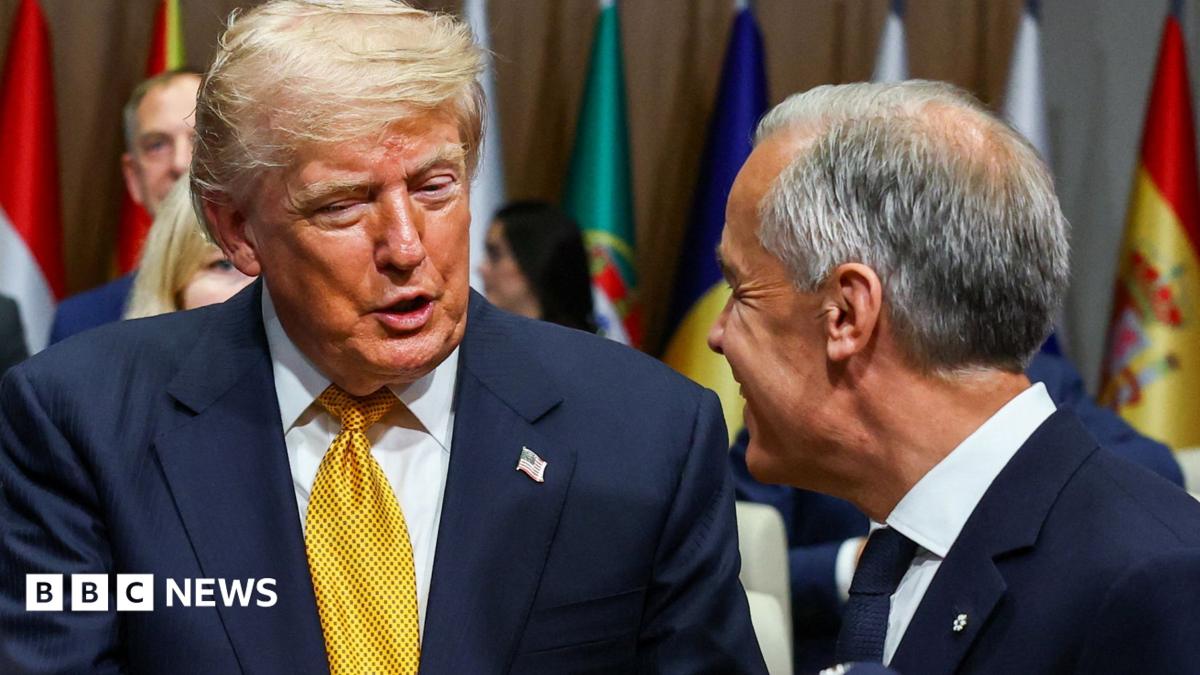
President Donald Trump has imposed a 50% tariff on a wide range of Canadian goods, marking a major escalation in trade tensions between the two North American neighbors. The tariffs, announced on July 20, 2026, target everyday consumer items such as wine, hockey sticks, and cement, as well as industrial goods, according to BBC News. The White House stated the duties would take effect in 30 days, citing what it called Canada's "unequal treatment" of US cars, dairy, and alcohol products.
Main Story
President Donald Trump has imposed a 50% tariff on a wide range of Canadian goods, escalating trade tensions between the two countries. The tariffs, announced on July 20, 2026, target everyday consumer items such as wine, hockey sticks, and cement, as well as industrial goods, according to BBC News. The White House stated the duties would take effect in 30 days, citing what it called Canada's "unequal treatment" of US cars, dairy, and alcohol products.
The new tariffs build on existing trade barriers between the two nations. The US has maintained tariffs ranging from 15% to 50% on Canadian steel, aluminum, and copper, as well as a 35% tariff on softwood lumber and a 25% tax on non-US parts in cars, according to BBC News. Canada has its own 25% counter-tariffs on selected US steel, aluminum, and vehicles.
The White House accused Canada of "unreasonable, unequal, and discriminatory actions" by imposing tariffs or import restrictions on certain American goods, some of which began after Trump's initial round of tariffs on Canada last year, according to CBS News. In retaliation for Canadian tariffs on US auto imports, the Trump administration slapped tariffs on Canadian electronics, hockey equipment, honey, flower bulbs, down feathers, plywood, cowhides, jewelry, and other goods. The White House also imposed tariffs on Canadian beer, wine, liquor, and milk in response to Canadian boycotts of US alcohol and longstanding Canadian quotas on dairy imports.
Goods that flow across the border under the US-Mexico-Canada Agreement (USMCA) will not be exempt from the new tariffs, a senior administration official told reporters, according to CBS News. The official said the new tariffs do not mean the US is entering a trade war with Canada, and the Trump administration remains open to negotiations.
Why It Matters
The tariffs represent a significant escalation in trade tensions between the US and Canada, two of the world's largest trading partners. The new duties will likely unleash economic chaos, with risks of higher inflation and further fraying of relations between the two nations, according to The Guardian. The tariffs also threaten to disrupt supply chains and raise costs for consumers on both sides of the border.
The move comes after the US Supreme Court ruled earlier this year that many of Trump's tariffs imposed globally under emergency powers were illegally enacted, according to BBC News. The new action uses a different, obscure law—Section 338 of the Tariff Act of 1930—that is untested in court, according to NYT.
Political Context
Canadian Prime Minister Mark Carney responded to the tariffs by stating that Canada is ready to intensify trade talks with the US in the coming weeks, according to BBC News. Carney described the tariffs as a "direct violation" of the USMCA, according to Al Jazeera. He also cited "threats to Canadian sovereignty," a possible reference to Trump's calls to make Canada the 51st US state, according to BBC News.
The tariff announcement comes in the wake of Trump's threat to impose tariffs over Canadian wildfire smoke drifting into US cities, but there is no mention of wildfires in the executive orders signed on Monday, according to BBC News. Instead, the three proclamations list US trade irritants related to cars, dairy, and alcohol.
What Officials and Groups Are Saying
US Trade Representative Jamieson Greer issued a statement arguing that Canada, unlike other partners and allies, continues to retaliate against the United States for its efforts to rebalance trade and protect US industry in national-security sensitive sectors, according to CBS News. The White House framed Canada and China as the only two countries that retaliated against Trump's tariff-heavy trade strategy.
Canadian Prime Minister Mark Carney stated that his government has made comprehensive proposals to resolve trade disputes with Washington, asserting that Trump's past tariffs violated a trade pact between the two countries, according to The Guardian. Carney also noted that the trade dispute has raised costs for families, particularly in the US.
Timeline
- 2025: Trump imposes sweeping tariffs on US trading partners. Canada retaliates with 25% tariffs on about C$30bn worth of US goods.
- Early 2026: US Supreme Court rules many of Trump's tariffs under emergency powers were illegally enacted.
- July 20, 2026: Trump signs proclamations imposing 50% tariffs on a wide range of Canadian goods, citing discrimination. The tariffs are set to take effect in 30 days.
- July 20, 2026: Canadian Prime Minister Mark Carney responds, saying Canada is ready to intensify trade talks.
Frequently Asked Questions
What goods are affected by the new tariffs?
The 50% tariffs apply to a wide range of Canadian goods, including wine, hockey sticks, cement, electronics, honey, flower bulbs, down feathers, plywood, cowhides, jewelry, beer, liquor, and milk, according to CBS News. Excluded are energy, potash, critical minerals, fish, and goods already subject to national security tariffs.
Why did Trump impose these tariffs?
The White House accused Canada of "unreasonable, unequal, and discriminatory actions" by imposing tariffs or import restrictions on certain American goods, particularly US cars, dairy, and alcohol, according to BBC News.
How did Canada respond?
Canadian Prime Minister Mark Carney stated that Canada is ready to intensify trade talks with the US and described the tariffs as a "direct violation" of the USMCA, according to Al Jazeera.
What legal authority is Trump using?
The tariffs were issued under Section 338 of the Tariff Act of 1930, an obscure law that has not been tested in court, according to NYT.
Will the tariffs affect goods under the USMCA?
Yes, the new duties apply to all covered goods regardless of whether they were included under the USMCA free trade agreement, according to BBC News.
What Happens Next
The 50% tariffs are set to take effect on August 19, 2026, 30 days after the announcement. Canada has signaled its willingness to engage in intensive talks to resolve the dispute, but the tariffs represent a significant escalation that could lead to further retaliation and economic disruption. The use of an untested legal provision may also invite legal challenges. The situation remains fluid, with potential implications for consumers, businesses, and the broader US-Canada relationship.
More from the Foreign Policy desk
 New
New
Trump Cancels Iran Strikes, Cites Agreed Deal Framework
President Trump cancels planned strikes on Iran, citing an agreed framework for a deal, amid Saudi pressure and Tehran's warnings.
 New
New
US, Israel Prepare Strikes on Iran Energy Targets
US and Israel are preparing to strike energy-related targets in Iran, sources say, as Tehran warns of retaliation and regional…
 New
New
US Plans Renewed Strikes on Iran as Tehran Vows Response
US reportedly plans renewed strikes on Iran as soon as this weekend, with Tehran vowing to respond, amid tensions over…
 New
New
Trump Approval Hits New Low Amid Iran War, Gas Prices
President Trump's approval rating falls to a second-term low as the Iran war drags on and gas prices surge, with analysts…