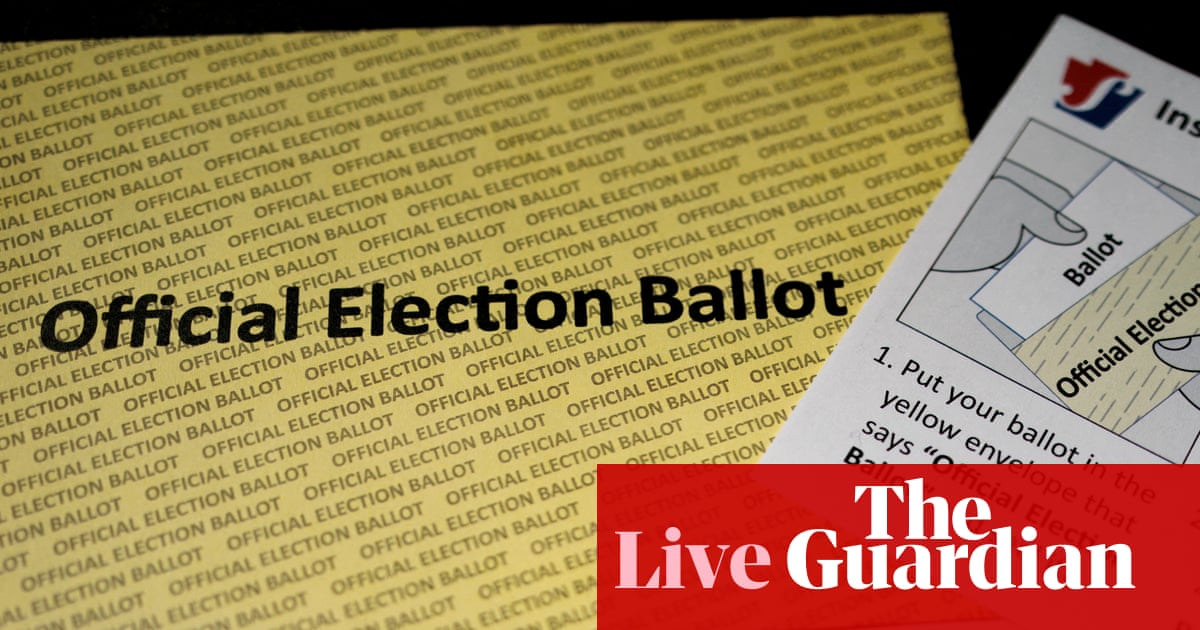
The Supreme Court has rejected the Trump administration's bid to restrict mail ballots ahead of November's midterm elections, clearing the way for states to keep sending absentee ballots under the same processes they have used for years. The decision, handed down Monday, capped a flurry of last-minute legal action with voting already underway in several states. Democrats and civil rights groups welcomed the outcome, framing it as a defense of access to the ballot, while election officials said a wholesale overhaul was never feasible in the weeks remaining before the midterms.
Main Story
The Supreme Court's rejection of the Trump administration's mail ballot restrictions removes the most immediate legal threat to absentee voting before the midterms. The ruling, issued Monday, allows states to continue distributing mail ballots under the same procedures they have relied on for years, according to The Guardian. The decision arrived as voting was already underway, with several states having begun sending ballots to voters in the preceding week.
Alabama, North Carolina and Wisconsin started mailing ballots while the administration's proposed new system was still not operational, underscoring the logistical difficulty of changing election procedures so close to a national vote. Election officials had warned that a complete overhaul in the weeks before the midterms was simply not possible, a point that appeared to weigh heavily in the practical outcome of the case.
The dispute represented one of the administration's most aggressive attempts to reshape how Americans cast ballots, and its defeat at the high court leaves the existing mail-voting architecture in place for the November contests. The ruling does not appear to end broader debates over election administration, but it settles the immediate question of whether states could be forced to abandon long-standing mail ballot practices on the eve of an election.
Why It Matters
Mail voting has become a central feature of American elections, particularly since 2020, and any attempt to restrict it touches millions of voters who rely on absentee ballots for reasons ranging from disability to work schedules to military service. By rejecting the administration's restrictions, the court preserved access for those voters in the near term and avoided what election administrators described as an impossible scramble.
The timing was critical. With ballots already moving through the postal system in multiple states, a ruling the other way could have created chaos, forcing officials to halt or redesign processes midstream. The court's decision instead maintains continuity, allowing voters who requested absentee ballots to receive and return them under familiar rules.
The outcome also carries symbolic weight. It signals that last-minute efforts to change election procedures face a high bar, especially when voting has begun. For civil rights groups that had warned of disenfranchisement, the ruling was a vindication of their argument that stable, predictable rules are essential to a functioning democracy.
Political Context
The decision lands in a polarized environment in which election administration itself has become a partisan battleground. Democrats have consistently opposed restrictions on mail voting, arguing they suppress turnout among groups that historically face barriers to the ballot. Republicans, including the president, have pushed for tighter rules, citing concerns about election integrity, though the administration's effort here was rejected by the court.
The ruling gives Democrats a talking point heading into the midterms, reinforcing their message that they are defending voting rights against federal overreach. It also puts election officials in both parties in a position to proceed with preparations that had been clouded by legal uncertainty. For the administration, the loss represents a setback in a policy area it had prioritized.
Beyond the immediate case, the episode highlights the recurring pattern of election-related litigation arriving close to voting windows, a dynamic that administrators say leaves little room for error. The court's rejection of the restrictions may encourage states to move forward with confidence, but it is unlikely to end the broader political fight over how elections are run.
What Officials and Groups Are Saying
Democrats framed the ruling as a guarantee that the midterms will be conducted safely and accurately. Representative Robert Garcia, a Democrat from Long Beach, California, praised the decision, saying the court had done the right thing and arguing that the president had tried to interfere with elections and undermine vote-by-mail for millions of Americans. He added that the fight to protect the right to vote would continue, according to The Guardian.
Civil rights groups also lauded the verdict, describing it as a rejection of a last-ditch attempt to change midterm voting processes. Their praise reflected relief that the existing system would remain intact through November.
Washington's secretary of state, Steve Hobbs, a Democrat, said the decision means work to carry out a safe election can proceed. His comment underscored the operational relief among election administrators who had been bracing for disruption.
On Capitol Hill, the ruling was one of several election-related developments drawing attention. FBI Director Kash Patel was set to return to Capitol Hill to testify before the Senate Judiciary Committee for an annual oversight hearing, where Democrats were expected to press him on a range of controversies, according to CBS News. That hearing, while separate from the mail ballot case, reflects the broader scrutiny surrounding federal law enforcement and election-related matters.
An anonymous whistleblower also raised concerns about Department of Homeland Security lawyers telling officers investigating voter fraud that they would not be held responsible for violating state laws around accessing voter registration information, according to The Guardian. The whistleblower questioned the reliability of the data DHS was providing and the lack of transparency about its origins. These claims add another layer to the debate over federal involvement in election administration, though they are distinct from the Supreme Court's ruling.
Timeline
- Past week: Alabama, North Carolina and Wisconsin begin sending mail ballots to voters while the administration's proposed new system is not yet active.
- Monday: The Supreme Court rejects the Trump administration's mail ballot restrictions for the midterm elections.
- Monday: The decision caps a flurry of last-minute legal action with voting already underway.
- Tuesday: Lawmakers and civil rights groups react, with Democrats saying the ruling will ensure safe, secure and accurate elections.
- Tuesday: FBI Director Kash Patel is set to testify before the Senate Judiciary Committee for an annual oversight hearing.
What the Ruling Means for Voters
For voters who have requested absentee ballots, the practical effect of the ruling is continuity. States will continue to send out mail ballots under the same processes used for years, meaning deadlines, verification procedures and return instructions remain as previously announced. Election officials in the affected states can proceed without redesigning systems on the fly.
The decision also reduces the risk of confusion that could have followed a late change. With ballots already in the mail, any alteration to procedures would have required notifying voters, retraining staff and potentially reissuing materials, a scenario administrators had described as unworkable. The court's action avoids that outcome.
For voters in states that had not yet begun mailing ballots, the ruling provides clarity as they prepare for the November contests. It signals that the rules in place will govern the election, barring further legal developments.
Broader Implications
The case is part of a wider pattern in which election rules are contested in court as voting approaches. While the Supreme Court's rejection of the restrictions resolves the immediate dispute, it does not settle the underlying policy disagreements. Advocacy groups on both sides are likely to continue pressing their cases in legislatures and lower courts.
The ruling may also influence how states approach future elections, reinforcing the value of stable procedures and advance planning. Election administrators have long argued that late changes, regardless of intent, create risks for voters and officials alike. The court's decision aligns with that view in this instance.
At the same time, the whistleblower claims about DHS voter fraud investigations and the ongoing Senate oversight of the FBI suggest that election-related scrutiny will persist. These threads, while separate from the mail ballot ruling, form the backdrop against which the midterms will unfold.
Frequently Asked Questions
What did the Supreme Court decide?
The court rejected the Trump administration's mail ballot restrictions for the midterm elections, allowing states to continue sending out mail ballots under existing processes.
Which states had already started mailing ballots?
Alabama, North Carolina and Wisconsin began sending mail ballots to voters over the past week while the proposed new system was not yet active.
How did Democrats and civil rights groups react?
They praised the ruling. Democrats said it would ensure safe, secure and accurate elections, and civil rights groups lauded the verdict as a rejection of a last-ditch attempt to change voting processes.
Does the ruling affect how voters cast ballots?
No. Voters will continue to use the same mail ballot procedures that have been in place for years, with no changes to deadlines or verification requirements.
What happens next?
States will proceed with election preparations under existing rules. Separate oversight matters, including FBI Director Kash Patel's Senate testimony, continue on Capitol Hill.
What Happens Next
With the Supreme Court's rejection of the mail ballot restrictions, states are cleared to run November's midterms under the rules already in place. Election officials can continue distributing absentee ballots and preparing for in-person voting without the disruption of a last-minute overhaul. Democrats and civil rights groups have claimed victory, while the administration's effort to change the system has been turned back for now.
The story is not over. Legal and political battles over election administration are likely to continue, and separate developments, including FBI Director Kash Patel's testimony before the Senate Judiciary Committee and whistleblower claims about DHS voter fraud investigations, will keep election-related scrutiny in the headlines. Readers should watch how states implement their procedures in the coming weeks and whether further legal challenges emerge as voting intensifies.
More from the US Elections desk
 New
Judge Blocks Trump Bid to Segregate 20,000 Ballots
A federal judge rejected the Trump administration’s request to segregate roughly 20,000 California mail ballots ahead of the…
 New
Obama Back on Trail in Ohio, Michigan for 2026 Midterms
Barack Obama storms back onto the campaign trail in Cleveland and Detroit, ripping Trump and Ramaswamy as Democrats fight for…
 New
Trump Backs Ramaswamy Ad Featuring Acton's Estranged Mother
President Trump urged Vivek Ramaswamy to keep running a controversial ad featuring Amy Acton's estranged mother, deepening a…
 New
Final Michigan Senate Debate: El-Sayed, Rogers Clash on Trust
Abdul El-Sayed and Mike Rogers fought over who voters can trust in the final Michigan Senate debate. The toss-up race could…