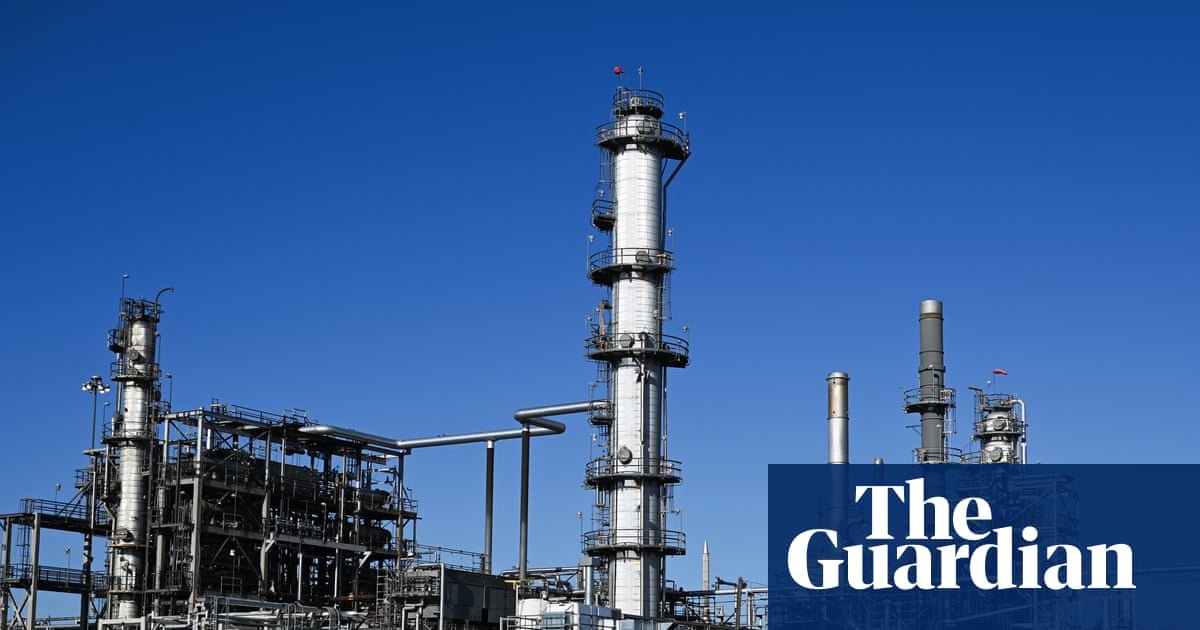
The U.S. Supreme Court began its new nine-month term on Monday, October 5, 2026, by hearing arguments in a high-stakes case that could determine whether state and local governments across the country are able to hold fossil fuel companies financially accountable for the effects of climate change. At issue is a lawsuit filed by the city and county of Boulder, Colorado, against ExxonMobil and Suncor Energy, which the energy companies are seeking to dismiss by arguing that federal law prevents state courts from hearing such claims. The outcome could reach far beyond Boulder, potentially blocking dozens of similar climate damage lawsuits filed by states and localities nationwide. The case arrives at the Court amid a politically charged moment, with the midterm elections approaching and several legal battles tied to the Trump administration's second-term agenda already waiting in the wings for the justices to consider.
The Case Before the Court
Suncor v. Boulder County presents the justices with a narrow but consequential technical question: whether federal law bars Boulder County from pursuing its state-law claims against ExxonMobil and Suncor Energy in state court. The lawsuit targets Exxon, the nation's largest energy company, and Suncor, a Canada-based firm that operates two oil refineries in Colorado. Boulder officials filed suit in 2018, asserting that the companies' conduct caused or substantially contributed to climate change, which has in turn forced the local government to confront rising costs associated with extreme heat, larger and more frequent wildfires, and damage to the local ecosystem.
The suit remains at an early stage, and the Supreme Court's role on Monday was not to weigh the underlying merits of Boulder's claims. Rather, the justices were asked to decide whether the case can proceed in state court at all, or whether federal law removes it from that forum entirely. If the Court sides with Boulder — or declines to intervene on jurisdictional grounds — the case returns to state court to continue its litigation. If the fossil fuel industry prevails, the ruling could serve as a decisive barrier not only to Boulder's case but to the broader legal strategy that state and local governments have been pursuing across the country.
Dozens of similar lawsuits have been filed by states and municipalities seeking monetary damages for the past and future harms they attribute to the buildup of greenhouse gases in the atmosphere. Many of those cases are currently paused or moving slowly through state courts, with defendants arguing that federal law displaces state-law claims in the climate context. A definitive ruling from the Supreme Court in favor of the energy companies would effectively close that avenue of litigation nationwide.
What the Industry Is Argued
In filings with the Supreme Court, lawyers for Exxon and Suncor have presented a sweeping argument against allowing the Boulder lawsuit and others like it to move forward. They have warned that if such suits are permitted to proceed and ultimately succeed, the result would be to effectively impose a carbon tax on fossil-fuel producers through the mechanism of civil liability — a policy outcome they contend belongs to Congress, not to state courts or juries. Industry attorneys have gone further, arguing that the financial exposure created by these lawsuits could bankrupt the sector.
The companies' position rests on the premise that the regulation of greenhouse gas emissions and the broader policy response to climate change are fundamentally federal concerns, and that permitting state courts to adjudicate claims of this magnitude would upend the constitutional balance between state and federal authority. That federalism framing has been central to the industry's legal strategy as it has sought to move climate cases out of state courts and into a forum where it believes it has a stronger position.
Boulder's legal team has countered that the case is a straightforward application of state tort and consumer protection law — that the companies engaged in deceptive marketing and should be held accountable under well-established state legal principles for the local harms their products caused. The question of whether the plaintiffs will ultimately prevail on the merits is separate from whether they are entitled to make their case in the first place.
Why It Matters
The Supreme Court's decision in this case will echo far beyond the borders of Boulder County. State and local governments have increasingly turned to the courts as a venue for addressing climate change in the face of limited legislative progress at the federal level. The Boulder lawsuit is part of a broader wave of litigation that includes cases brought by attorneys general in multiple states, all seeking to recover damages from fossil fuel producers for the costs of climate adaptation, infrastructure resilience, and public health impacts.
A ruling for the energy companies would eliminate what many legal analysts view as the most viable judicial avenue currently available for holding fossil fuel producers accountable for climate damages through state-court litigation. It would not preclude all climate-related lawsuits — some claims grounded in federal law or directed at different defendants could still proceed — but it would sharply curtail the scope of what state and local governments can pursue in their own courts.
Conversely, a ruling for Boulder would preserve the legal pathway and allow the case to proceed to discovery and potentially trial in Colorado state court. Even then, significant legal and factual hurdles would remain, and the ultimate scope of any recovery could be substantially narrowed by subsequent rulings. The case is not a referendum on climate policy, but on who gets to have their day in court.
Political Context and the Midterm Shadow
The climate case arrives at the Supreme Court at a moment of intense political pressure on multiple fronts. The 2026 midterm elections are approaching, and the Court has already been drawn into election-related disputes, resolving fast-moving requests throughout the summer as litigation over voting rules and ballot access unfolded across multiple states. That pre-term involvement in politically charged disputes is a reminder that the justices cannot easily separate their docket from the broader electoral landscape.
Beyond the climate case, the Court's new term includes several other high-profile disputes that will draw intense public scrutiny. Cases involving President Trump's immigration policies and Second Amendment challenges are among the most prominent already scheduled for argument. Several additional legal battles tied to the Trump administration's second-term agenda are waiting in the wings, with the justices set to discuss them in closed-door conferences before deciding whether to hear them. Any cases accepted in the coming months would likely be decided by the summer of 2027.
The convergence of a landmark climate case, active election litigation, and a full docket of disputes tied to the sitting president's policy agenda places the Court in a difficult position. The justices have long maintained that they decide cases based on law, not politics, but the reality of deciding momentous questions in a heated political environment will be impossible to escape. Public confidence in the Court's neutrality has been a recurring concern in recent years, and the outcomes this term will be closely watched for any signs of how the justices are navigating that fraught terrain.
What Legal Analysts Are Watching
Legal scholars who have followed the development of climate litigation in state courts say the Supreme Court's willingness to take up the Boulder case at all signaled that at least some justices viewed the underlying federalism question as worthy of national resolution. The Court's decision to hear the case on the first day of its term underscored the priority the justices appear to assign to resolving the status of state-level climate lawsuits.
Observers note that the industry's legal strategy in this case represents an ambitious effort to achieve a broad ruling that would sweep away not just Boulder's claims but the foundational legal theory underpinning the entire wave of state and local climate litigation. The framing of the case as a potential death blow for that litigation strategy reflects the high stakes the industry perceives in the outcome. Whether the justices deliver on that expectation or instead craft a narrower ruling that leaves room for some state-court claims to continue remains one of the central uncertainties heading into the arguments.
Timeline
- 2018 — Boulder, Colorado files its climate damage lawsuit against ExxonMobil and Suncor Energy in state court, alleging that the companies' fossil fuel production and deceptive marketing caused climate change harms including extreme heat, wildfires, and ecosystem damage.
- 2026 (pre-term) — The Supreme Court agrees to hear Suncor v. Boulder, signaling that the justices view the federal preemption question as worthy of national resolution. The Court also spends the summer resolving fast-moving requests in election-related disputes ahead of the midterms.
- October 5, 2026 — The Supreme Court opens its new nine-month term by hearing oral arguments in Suncor v. Boulder, with the justices questioning attorneys for both sides on the scope of federal law and its application to state-court climate claims.
- By June 2027 (expected) — The Supreme Court is expected to issue its decision in the case, with the ruling potentially reshaping or foreclosing the landscape for state and local climate damage litigation across the United States.
Frequently Asked Questions
What is Suncor v. Boulder?
Suncor v. Boulder County is a Supreme Court case in which ExxonMobil and Suncor Energy are appealing a Colorado Supreme Court ruling that allowed Boulder's climate damage lawsuit to proceed in state court. The U.S. Supreme Court is being asked to decide whether federal law prevents state courts from hearing such claims.
What is Boulder suing the fossil fuel companies for?
Boulder filed suit in 2018 alleging that ExxonMobil and Suncor's production and deceptive marketing of fossil fuels caused greenhouse gas emissions that led to climate change, which in turn has imposed costs on local taxpayers through extreme heat, more severe wildfires, and ecosystem damage. The city and county raised five claims under Colorado state law.
How many similar climate lawsuits are there?
Dozens of state and local governments across the United States have filed similar climate damage lawsuits against fossil fuel producers in state courts, seeking monetary damages for climate-related harms. The Supreme Court's ruling in this case could determine whether those lawsuits can continue.
What happens if the Supreme Court rules for the fossil fuel companies?
A ruling in favor of Exxon and Suncor would block Boulder's lawsuit and could apply to dozens of other similar cases filed by states and localities, effectively closing off the primary judicial avenue currently available for holding fossil fuel producers accountable for climate damages through state-court litigation.
When will the Supreme Court decide this case?
The Supreme Court heard oral arguments on October 5, 2026, the first day of its new term. A decision is expected by June 2027, though the Court has no fixed deadline and timing can vary.
How does this case relate to the midterm elections?
The Supreme Court has already been involved in resolving election-related disputes throughout the summer of 2026, and the political environment surrounding the midterms adds a layer of public attention and scrutiny to the Court's docket. The justices are also set to consider several additional legal challenges tied to the Trump administration's agenda in closed-door conferences this term.
What Happens Next
The Supreme Court's decision in Suncor v. Boulder is expected by June 2027, and its reach will be measured not only in the specifics of Boulder's claims but in the signal it sends to every state and local government that has filed or is considering a climate damage lawsuit against fossil fuel producers. A ruling for the industry would represent a decisive legal victory that reshapes the landscape of climate accountability in the United States, closing off the courthouse door for a generation of litigants who saw state courts as their best hope for securing redress. A ruling for Boulder would preserve that pathway and send the case back to Colorado for further proceedings, though the road to any ultimate recovery would remain long and uncertain. Either outcome will be closely watched as a marker of where the Court — and by extension, the nation — stands on the question of who bears responsibility for the costs of a warming planet.
More from the Judiciary desk
 New
Supreme Court Keeps Transgender Inmate Care Block, Despite Dissent
The Supreme Court upheld a lower-court block preventing the Trump administration from cutting gender-affirming care for…
 New
Judge Clashes With DOJ Over Trump's East Potomac Golf Plan
A federal judge pressed the Trump administration over its plan to shut down and renovate East Potomac Golf Links, as DOJ…
 New
Judge Extends Order Blocking Trump's White House Press Ban
A federal judge extends an order blocking Trump from banning CNN, MS NOW and Politico reporters from White House access, as…
 New
Judge Orders Trump to Cancel $20M Taxpayer-Funded Ads
A federal judge ordered the Trump administration to immediately cancel taxpayer-funded TV ads featuring the president, siding…