Katie Zacharia's tenure as White House press secretary ended on Friday after just five days, capping a week defined by a widely criticized first briefing and mounting questions about whether she had misrepresented her legal credentials. President Donald Trump told reporters outside the White House that he had advised Zacharia to reconsider the role, citing what he described as harsh treatment by the press. A White House official confirmed to multiple outlets that Zacharia was transitioning out of the position, though no formal announcement had been made at the time of reporting. The abrupt departure raises fresh questions about the Trump administration's revolving-door communications strategy and its messaging posture heading into the November midterm elections.
A Turbulent Week in the Briefing Room
Zacharia's path to the podium was itself compressed. She received a call about the role in early October and was formally announced as Leavitt's successor on October 9. Within days, she was expected to step into one of the most scrutinized positions in American politics — the White House press secretary — with little time to acclimate. CBS News reported that one aide described Zacharia as unusually isolated during her week in the role, noting that staff did not believe she would remain long enough to involve her in actual decision-making.
Her first press briefing on Tuesday drew immediate and widespread criticism. The Guardian described the session as widely panned, with Zacharia stumbling through prepared remarks. NBC News correspondents characterized the performance as a central factor in the rapid reversal. The briefing became the focal point of a media cycle that intensified over the following days, setting the stage for the departure.
The Legal Credentials Question
Parallel to the briefing controversy, questions surfaced about Zacharia's legal background. Trump had publicly described her as an attorney when announcing her appointment. Zacharia is a graduate of Pepperdine University law school in California, but in an interview with Fox News on Thursday, she acknowledged that she had not passed the bar exam. The discrepancy between her public description and her actual credentials became a recurring theme in coverage across outlets including the New York Times, which reported that she was shadowed by questions about how she had presented her legal career.
The credentials issue carried particular weight because the press secretary role demands a high degree of public trust and institutional credibility. A spokesperson for the president must withstand rapid-fire questioning from hundreds of journalists and represent the administration's position with precision. The combination of a shaky first briefing and unresolved questions about professional qualifications created a compounding problem that proved difficult to manage.
Trump's Public Framing
On Friday, as he departed the White House, Trump addressed reporters and framed the situation as one of personal concern for Zacharia. He indicated that he had told her to reconsider the role, citing the intensity of media scrutiny. CBS News reported that Trump referenced the press's treatment of Zacharia and suggested that if he were in her position, he would step back. The president also noted that Zacharia had a family, adding a personal dimension to his remarks.
Al Jazeera confirmed that Zacharia was transitioning out of the role and reported that Trump had told her she should reconsider. The president's framing — positioning himself as a protector of Zacharia against media hostility — stood in contrast to the internal dynamics described by aides, who characterized the departure as a response to performance and credibility concerns.
Political Context and Midterm Implications
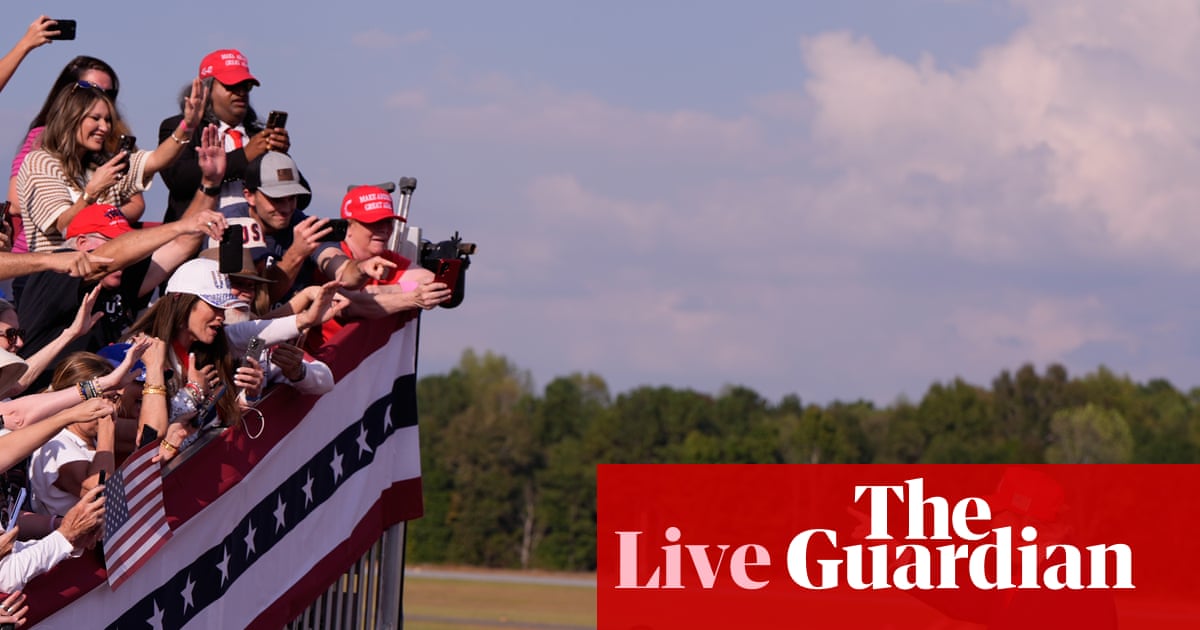
The timing of Zacharia's departure is difficult to separate from the broader political landscape. The Trump administration is preparing for the November midterm elections, and the president was actively campaigning on the same day, rallying in Georgia to support Republican Senate nominee Mike Collins. The Guardian noted that the rally carried echoes of the 2020 loss in the state, underscoring the stakes of the upcoming vote.
Al Jazeera correspondent Kimberly Halkett observed that the appointment and subsequent reversal could create additional problems for Trump as Republicans prepare for the midterms. The credibility issue surrounding Zacharia's legal background, combined with the shaky first briefing, contributed to a perception of impulsiveness at a moment when the president was already facing criticism about the trajectory of the Republican campaign. The revolving-door nature of the communications team — with Zacharia's five-day tenure shorter than Scaramucci's 10-day run in the first term — reinforces a pattern of rapid turnover that opponents are likely to exploit.
What Happens Next
Zacharia was seen at the White House as recently as Friday morning and was reportedly invited to dinner with Vice President JD Vance on Friday night. Sources familiar with the discussions indicated she was expected to take on a new role within the administration, though no specific position had been announced. Fox News reported that Trump indicated there was no rush to hire a replacement for the press secretary role.
Some White House staff learned of the change from news coverage rather than through internal channels, according to CBS News. The New York Times was the first outlet to report that Zacharia had been fired. The lack of a formal announcement at the time of reporting suggests the administration was still managing the transition behind the scenes.
For the White House communications operation, the immediate challenge is finding a replacement who can withstand the scrutiny that Zacharia faced. The press secretary role requires not only policy knowledge but also the ability to perform under intense media pressure — a combination that proved elusive in Zacharia's brief tenure. As the midterm campaign intensifies, the administration's messaging apparatus will be under greater scrutiny than ever, and the next appointment will be judged against the backdrop of this rapid reversal.
Timeline
- October 9: Trump announces Zacharia as the new White House press secretary, succeeding Karoline Leavitt.
- October 13 (Tuesday): Zacharia hosts her first press briefing, which is widely panned by reporters and media outlets.
- October 15 (Thursday): Zacharia appears on Fox News and acknowledges she did not pass the bar exam, fueling questions about her legal credentials.
- October 16 (Friday): Trump tells reporters he advised Zacharia to reconsider the role. The New York Times first reports her firing. A White House official confirms she is transitioning out. Trump rallies in Georgia to support Republican Senate candidate Mike Collins.
Frequently Asked Questions
How long did Katie Zacharia serve as White House press secretary?
Zacharia served for five days, from October 9 to October 16, 2026. Her tenure is shorter than Anthony Scaramucci's 10-day run as communications director during Trump's first administration.
Why was Zacharia removed from the role?
Multiple factors contributed to her departure. Her first press briefing was widely criticized, and questions emerged about her legal credentials after she admitted she had not passed the bar exam despite being described as an attorney by the president. Trump publicly framed the situation as media hostility toward Zacharia, but aides described performance and credibility concerns as central.
Did Zacharia actually pass the bar exam?
No. Zacharia is a graduate of Pepperdine University law school but acknowledged on Fox News that she did not pass the bar exam. Trump had described her as an attorney when announcing her appointment, which created a discrepancy that drew significant media attention.
Who is replacing Zacharia as press secretary?
No replacement had been announced as of Friday's reporting. Fox News reported that Trump indicated there was no rush to hire a successor. Sources indicated Zacharia herself was expected to take on a different role within the administration.
How does this affect the midterm campaign?
The rapid turnover in the press secretary role adds to concerns about the administration's messaging stability heading into the November midterms. The credibility questions surrounding Zacharia's appointment and departure may be used by Democratic opponents to portray the Trump campaign as disorganized or impulsive.
What Happens Next
The White House communications operation now faces the task of filling a vacancy in one of the most visible roles in American politics, with the midterm elections less than a month away. Zacharia's five-day tenure underscores the difficulty of the press secretary position and the intense scrutiny that accompanies it. The administration's next move — whether in selecting a replacement or repositioning Zacharia within the government — will be closely watched by reporters, political analysts, and voters. For now, the White House briefing room is without a permanent voice, and the revolving door that defined this administration's early communications strategy has turned once again.
More from the Domestic Policy desk
 New
Trump Administration Pushes to Fast-Track East Potomac Golf Course Overhaul
President Trump announced plans to redevelop East Potomac Golf Links in Washington, D.C., setting a Nov. 15 start date and…
 New
Oregon School Shooting: 4 Killed at Silver Rail Elementary
A 16-year-old gunman killed three children and a teacher at Silver Rail Elementary in Bend, Oregon, before a bystander shot…
 New
Trump Cancels Plan to Livestream Fort Hood Shooter Execution
President Trump reversed the Pentagon's plan to livestream Nidal Malik Hasan's firing squad execution after global backlash,…
 New
US Political Developments This Week: A Comprehensive Analysis
This week in US politics saw intensifying debates over the debt ceiling, new developments in the classified documents probes,…