
The reignited Iran war has escalated dramatically after the United States launched retaliatory military strikes on Saturday in response to Iranian attacks that killed two American service members in Jordan. President Donald Trump described the deaths as a very sad thing, emphasizing that the fallen soldiers were serving their country and fighting to prevent Iran from obtaining a nuclear weapon. The strikes mark a significant intensification of hostilities between the US and Iran, raising fears of a broader regional conflict.
US Retaliatory Strikes and Presidential Response
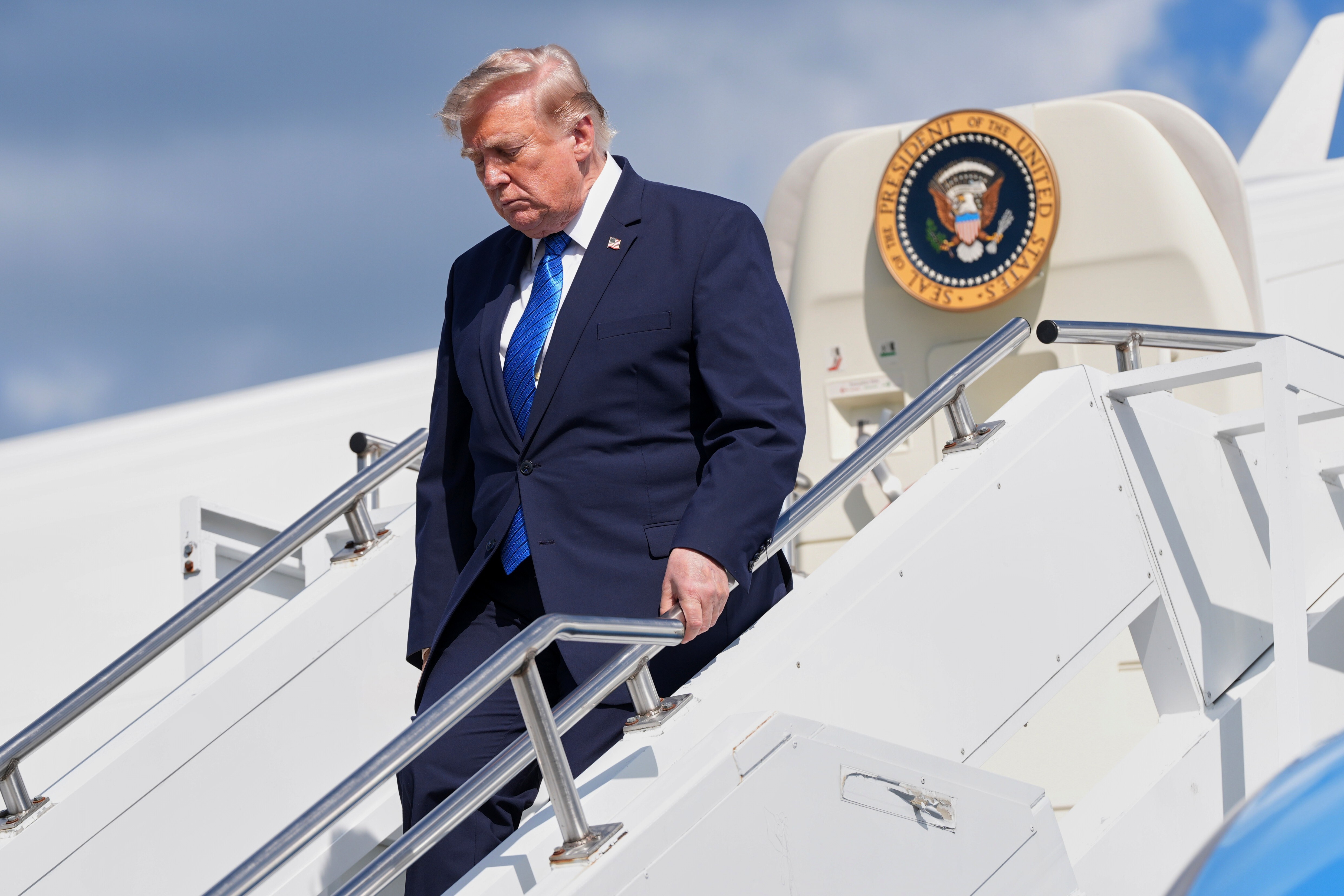
The United States military carried out retaliatory attacks on Saturday in response to Iranian strikes that killed two American service members in Jordan. The operation marks a major escalation in the ongoing conflict between the US and Iran, which reignited earlier this year. President Trump, speaking on Saturday, expressed sorrow over the loss of life, calling the deaths a very sad thing. He noted that the soldiers were in service of the country and would fight to the death to prevent Iran from acquiring a nuclear weapon. The president also referenced his upcoming Thursday primetime speech, during which he is expected to address the situation further. (The Hill)
The retaliatory strikes targeted Iranian military infrastructure, though specific details of the targets have not been fully disclosed. The attack follows a pattern of tit-for-tat exchanges that have characterized the US-Iran conflict since its resurgence. The Hill reported that the strikes were launched in direct response to the deaths in Jordan, underscoring the US commitment to defending its forces and allies in the region. (The Hill)
Impact on Iranian Civilians: Power Blackouts and Heatwave
While the military conflict continues, Iranian civilians are bearing the brunt of the war in the form of severe power blackouts. According to Al Jazeera, a collapsing electrical grid, battered by recent military strikes and chronic underinvestment, has left millions of Iranians sweltering in the dark during a brutal heatwave. Rolling blackouts have become a daily reality, plunging civilian infrastructure into darkness. In Tehran, students like Kamran and Moein at Sharif University of Technology have seen their final exams disrupted when university servers went offline due to power cuts. Kamran told Al Jazeera that the blackouts have derailed all plans, making it impossible to study or rely on scheduled exams. Moein highlighted the life-or-death stakes for patients dependent on ventilators or refrigerated medicines. (Al Jazeera)
The crisis contradicts earlier assurances from President Masoud Pezeshkian and Energy Minister Abbas Aliabadi, who promised a summer without electricity disruptions just before the war broke out in February. Those promises have evaporated. Tehran City Council Chairman Mehdi Chamran, when asked about the unannounced blackouts, pointed to the bombing of electrical facilities two days prior. National electricity company CEO Mohammad Allahdad confirmed a 4,200-megawatt drop in grid capacity and damage to more than 2,000 points across the network. Local media reported that US strikes on a power plant on Kish Island and severe damage to distribution networks in Bandar Abbas and Jask have exacerbated the situation. (Al Jazeera)
Political Context and Regional Implications
The escalation comes amid a broader US-Israel war on Iran that began in February 2026. The conflict has seen multiple rounds of airstrikes, including recent US strikes on southern Iran. President Trump's reaction to the deaths in Jordan reflects his administration's hardline stance on Iran, particularly regarding its nuclear program. The president has consistently vowed to prevent Iran from obtaining a nuclear weapon, a goal he reiterated in his remarks on Saturday. The deaths of US service members are likely to galvanize domestic support for continued military action, though the human cost on both sides continues to mount. (The Hill)
The power blackouts in Iran add a humanitarian dimension to the conflict, potentially increasing pressure on the Iranian government. The combination of military strikes and infrastructure collapse is crippling daily life, from education to healthcare. The situation in Iran is reminiscent of earlier phases of the war, where civilian infrastructure has been repeatedly targeted or caught in the crossfire. The international community has expressed concern over the escalating violence, but diplomatic efforts have so far failed to de-escalate the situation. (Al Jazeera)
Timeline of Key Events
- February 2026: US-Israel war on Iran begins with airstrikes on Iranian nuclear and military sites.
- July 2026: Iranian strikes kill two US service members in Jordan.
- July 2026: US launches retaliatory strikes on Iranian military infrastructure.
- July 19, 2026: Al Jazeera reports widespread power blackouts in Iran due to war damage and heatwave.
- Upcoming: President Trump scheduled to deliver a primetime speech on Thursday addressing the conflict.
Frequently Asked Questions
What happened in Jordan?
Iranian strikes killed two US service members in Jordan, prompting US retaliatory attacks. (The Hill)
How did President Trump respond?
Trump called the deaths a very sad thing and said the soldiers died in service of the country, vowing to prevent Iran from obtaining a nuclear weapon. (The Hill)
What is the current state of Iran's power grid?
Iran's grid is collapsing due to military strikes and underinvestment, causing widespread blackouts during a heatwave. The national electricity company reported a 4,200-megawatt drop in capacity. (Al Jazeera)
Are civilians being affected?
Yes, civilians face daily blackouts disrupting education, healthcare, and daily life. Students have had exams postponed, and patients on ventilators are at risk. (Al Jazeera)
What is the broader context of the war?
The US-Israel war on Iran began in February 2026, with multiple rounds of airstrikes. The recent deaths and retaliation mark a significant escalation. (The Hill)
What Happens Next
The US retaliatory strikes signal a dangerous new phase in the Iran war, with both sides showing no signs of de-escalation. President Trump's upcoming primetime speech on Thursday is expected to outline the administration's next steps, potentially including further military action or diplomatic overtures. Meanwhile, the humanitarian crisis in Iran deepens as power blackouts continue to cripple civilian life. The international community watches closely as the conflict threatens to draw in more regional actors. For now, the situation remains volatile, with the deaths of US service members adding a personal and political urgency to the US response. Readers should stay tuned for further developments as the story evolves.
More from the Foreign Policy desk
 New
New
Trump Cancels Iran Strikes, Cites Agreed Deal Framework
President Trump cancels planned strikes on Iran, citing an agreed framework for a deal, amid Saudi pressure and Tehran's warnings.
 New
New
US, Israel Prepare Strikes on Iran Energy Targets
US and Israel are preparing to strike energy-related targets in Iran, sources say, as Tehran warns of retaliation and regional…
 New
New
US Plans Renewed Strikes on Iran as Tehran Vows Response
US reportedly plans renewed strikes on Iran as soon as this weekend, with Tehran vowing to respond, amid tensions over…
 New
New
Trump Approval Hits New Low Amid Iran War, Gas Prices
President Trump's approval rating falls to a second-term low as the Iran war drags on and gas prices surge, with analysts…