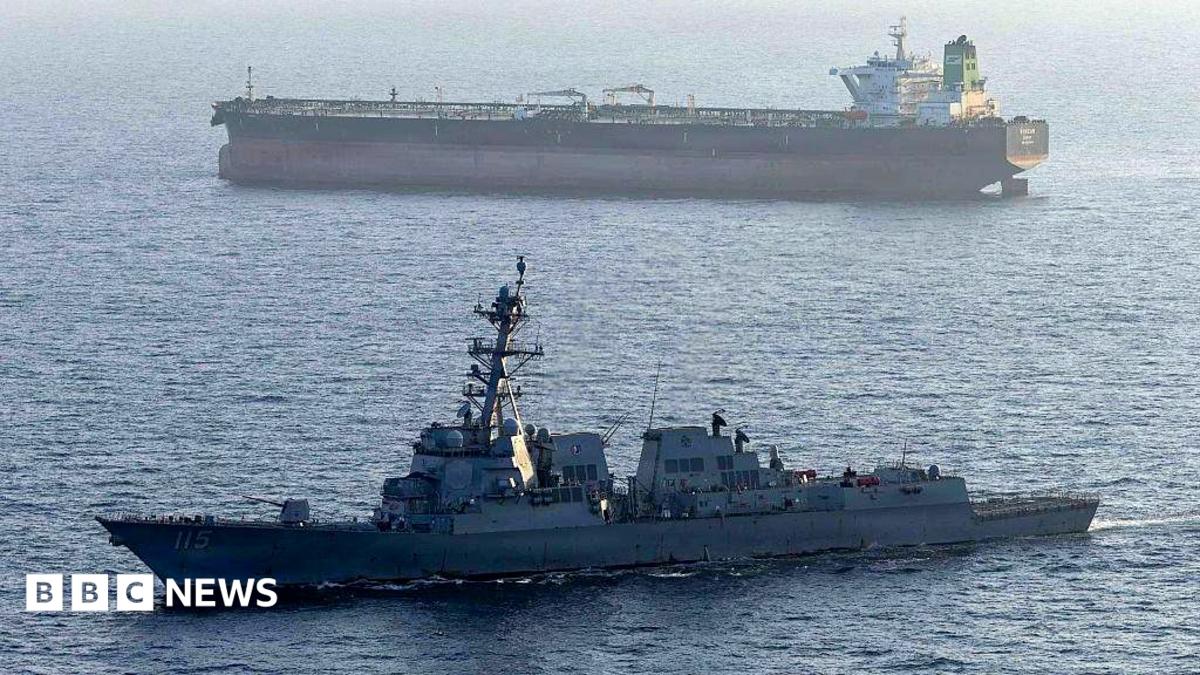
Iran launched ballistic missiles at US forces in Jordan and struck three oil tankers in the Strait of Hormuz on Tuesday, ending a five-day lull in hostilities, as President Donald Trump met with Israeli Prime Minister Benjamin Netanyahu at the White House. The United States and Saudi Arabia responded with airstrikes against Iranian-backed militias in Iraq, killing at least 20 fighters, according to Iraqi paramilitary sources. The coordinated attacks mark a significant escalation in the Middle East conflict, raising fears of a broader regional war.
Iranian Missile Attack on US Forces
US Central Command (CENTCOM) reported that Iran's Islamic Revolutionary Guard Corps launched multiple ballistic missiles in what it described as an attempted surprise attack on US forces based in the Middle East. The attack occurred at 17:45 EDT (21:45 GMT) on Tuesday, according to BBC News. All missiles were successfully intercepted, and US forces remained at a high state of readiness, CENTCOM stated.
The IRGC confirmed that its air force targeted a US airbase and a CENTCOM command center in Jordan with several ballistic missiles. In a statement carried by Iran's IRIB broadcaster, the IRGC said the attack was in response to the acts of aggression of the American child-killing army, as reported by BBC News. The IRGC also warned that as long as threats against Iran continue, the resistance will continue.
Jordan reported intercepting five missiles over its territory, according to the Jordan News Agency, as cited by AP News.
Strait of Hormuz Attacks
In a separate operation, Iran's naval forces struck three oil tankers in the Strait of Hormuz after the vessels ignored warnings and sailed along what Tehran described as an unsafe and illegal route through the vital Gulf waterway, according to BBC News. The attack on the strategic chokepoint, through which about a fifth of the world's oil passes, threatens to disrupt global energy supplies. Iran also rejected Oman's proposal on managing the waterway, as reported by Al Jazeera.
US-Saudi Airstrikes in Iraq
In response to over 30 IRGC-directed aerial drone attacks in the previous 72 hours, US and Saudi fighter jets struck multiple terrorist logistics and weapons sites across eastern Iraq, CENTCOM announced. The drone attacks targeted US forces and Saudi energy infrastructure, including petroleum facilities in Riyadh and eastern Saudi Arabia, which Saudi forces intercepted, according to CBS News. The Saudi Ministry of Defense confirmed it conducted precise and targeted strikes, citing its right to self-defense.
Iraq's Popular Mobilisation Forces, an umbrella organization of mostly Shia Muslim militias formally integrated into the Iraqi armed forces, said at least 20 of its fighters were killed and 32 wounded in the strikes on several of its bases, including its headquarters in Baghdad and six other locations. The PMF called the strikes a dangerous escalation and a violation of Iraq's sovereignty, as reported by BBC News.
Political Context: Trump-Netanyahu Meeting
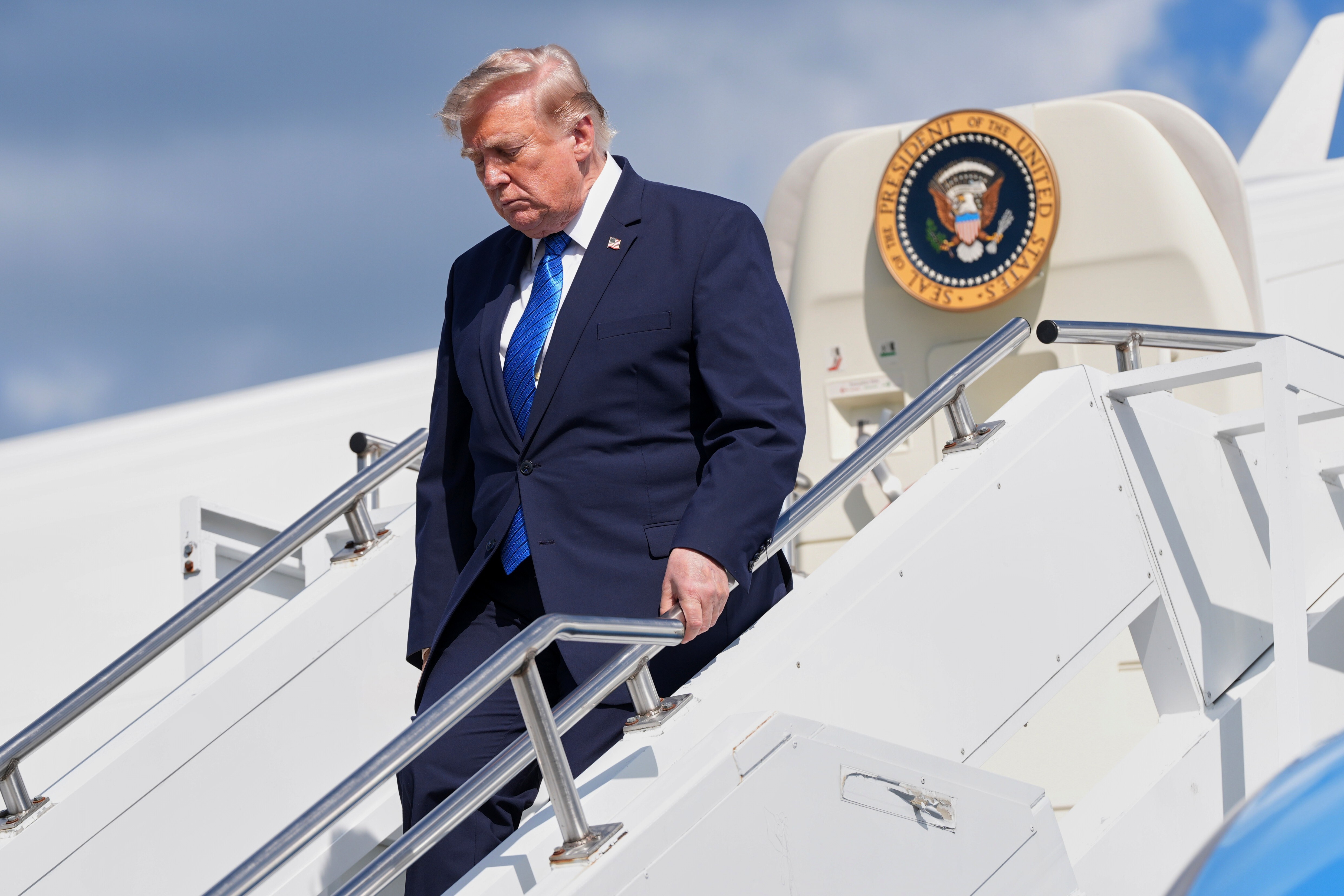
The Iranian attacks came as President Donald Trump met with Israeli Prime Minister Benjamin Netanyahu at the White House. Netanyahu has been pushing for continued war on Iran, according to Al Jazeera. Trump had called off a two-week US bombing campaign on Iran on July 24, claiming that good talks were under way with Iran. However, Iran has denied seeking to resume talks with Washington. Al Jazeera's Alan Fisher reported from Washington that the Iranian attack was a message to Trump that Iran needs to be involved in all discussions.
The escalation poses a challenge to Trump's diplomatic efforts. He has threatened to restart strikes if negotiations stagnate, as reported by Al Jazeera.
What Officials and Groups Are Saying
US Central Command stated that the IRGC and its terrorist proxies must cease these attacks to avoid further US military response. The command described the drone attacks as unwarranted and noted that they had failed, according to BBC News.
An Iranian defense official, speaking to state TV and cited by Reuters, denied any Iranian connection to the drone attacks on Saudi Arabia and warned that attributing attacks on US interests in the region to Iran was a major miscalculation, as reported by BBC News.
The PMF condemned the US-Saudi strikes as a dangerous escalation and a violation of Iraq's sovereignty, according to BBC News.
Timeline of Recent Events
- July 24, 2026: Trump calls off two-week US bombing campaign on Iran, claiming good talks are under way.
- July 26-28, 2026: Over 30 IRGC-directed drone attacks target US forces and Saudi energy infrastructure; Saudi Arabia intercepts drones aimed at petroleum facilities.
- July 28, 2026: Trump meets Netanyahu at the White House; Netanyahu pushes for continued strikes on Iran.
- July 29, 2026 (17:45 EDT): Iran launches ballistic missiles at US forces in Jordan; all intercepted. Iran also strikes three oil tankers in the Strait of Hormuz.
- July 29, 2026 (late evening): US and Saudi fighter jets strike Iranian-backed militia sites in eastern Iraq; PMF reports 20 killed, 32 wounded.
Frequently Asked Questions
What happened in the Iranian missile attack?
Iran's IRGC launched multiple ballistic missiles at US forces in Jordan, targeting a US airbase and a CENTCOM command center. All missiles were intercepted, according to BBC News.
Why did Iran attack oil tankers in the Strait of Hormuz?
Iran's naval forces struck three oil tankers after they ignored warnings and sailed along what Tehran described as an unsafe and illegal route, as reported by BBC News.
What was the US-Saudi response?
The US and Saudi Arabia conducted airstrikes on Iranian-backed militia logistics and weapons sites in eastern Iraq, killing at least 20 PMF fighters, according to CBS News.
How does this relate to the Trump-Netanyahu meeting?
The attacks occurred as Trump met Netanyahu at the White House. Netanyahu has been pushing for continued war on Iran, and the escalation complicates Trump's diplomatic efforts, per Al Jazeera.
What is the status of US-Iran diplomacy?
Trump had called off a two-week bombing campaign on July 24, claiming good talks were under way, but Iran has denied seeking to resume talks. Trump has threatened to restart strikes if negotiations stagnate, as reported by Al Jazeera.
What Happens Next
The latest escalation threatens to unravel any diplomatic progress and could trigger a renewed cycle of strikes. Trump has threatened to restart bombing if negotiations stagnate, while Iran has signaled continued resistance. The US-Saudi airstrikes in Iraq may provoke further retaliation from Iranian-backed militias. The situation in the Strait of Hormuz also raises risks for global oil markets. Readers should watch for further statements from CENTCOM, the IRGC, and the White House in the coming days.
More from the Foreign Policy desk
 New
New
Trump Cancels Iran Strikes, Cites Agreed Deal Framework
President Trump cancels planned strikes on Iran, citing an agreed framework for a deal, amid Saudi pressure and Tehran's warnings.
 New
New
US, Israel Prepare Strikes on Iran Energy Targets
US and Israel are preparing to strike energy-related targets in Iran, sources say, as Tehran warns of retaliation and regional…
 New
New
US Plans Renewed Strikes on Iran as Tehran Vows Response
US reportedly plans renewed strikes on Iran as soon as this weekend, with Tehran vowing to respond, amid tensions over…
 New
New
Trump Approval Hits New Low Amid Iran War, Gas Prices
President Trump's approval rating falls to a second-term low as the Iran war drags on and gas prices surge, with analysts…