
The United States House of Representatives narrowly passed a $1.15 trillion defense spending bill on Wednesday that significantly expands military technology cooperation with Israel, as the war with Iran continues to escalate. The 2027 National Defense Authorization Act (NDAA) passed by a vote of 216 to 212, largely along party lines, with six Democrats supporting and seven Republicans opposing the measure, according to Al Jazeera. The bill now faces an uncertain future in the Senate, where Democrats have already blocked debate over its cost and policy provisions.
Main Story
The House of Representatives on Wednesday passed the 2027 National Defense Authorization Act, a $1.15 trillion military spending package that funds the ongoing war with Iran and includes several controversial provisions. The bill, which typically enjoys bipartisan support, passed largely along party lines, reflecting deep divisions over the conflict and the administration's defense priorities. According to The New York Times, Republicans pushed the bill through over Democratic opposition, with Democrats arguing that supporting it was akin to embracing the war.
The NDAA includes a measure that would expand military technology cooperation with Israel, a move that has drawn scrutiny amid growing public opposition to military assistance to Israel. Republican Representative Thomas Massie, a vocal critic of the Iran war, said in a social media post that the bill "tragically merges our military technology and supply chains with Israel's" and called Section 219 a "betrayal of our sovereignty," as reported by Al Jazeera. The bill also incorporates President Trump's request to rename the Department of Defense as the Department of War, a symbolic change that reflects the administration's focus on the conflict, according to PBS NewsHour.
The Pentagon briefed a bipartisan group of House lawmakers on the Iran war on Monday as tensions in the region continue to escalate, The Hill reported. The briefing came as the U.S. launched its 12th consecutive night of airstrikes on Iran, with Iranian media reporting explosions in the cities of Bushehr, Ahvaz, and Sirik, according to Al Jazeera.
Why It Matters
The passage of the NDAA marks a significant escalation in the U.S. commitment to the war with Iran, which began in late February. The bill's $1.15 trillion price tag represents a dramatic increase from the previous year's $900 billion defense budget, reflecting the administration's determination to sustain the conflict. The expansion of military technology cooperation with Israel further intertwines the two allies' defense industries, a move that critics argue could drag the U.S. deeper into regional conflicts. The bill's uncertain fate in the Senate, where Democrats have already blocked debate, sets the stage for a contentious legislative battle that could determine the trajectory of the war.
Political Context
The NDAA has become a flashpoint for partisan divisions over the Iran war. Senate Democrats, led by Minority Leader Chuck Schumer, have called the bill a "permission slip" for the war and blocked debate in a vote last week, Al Jazeera reported. The House bill also includes conservative social policy riders, such as a prohibition on gender-related medical care under the military health program TRICARE and easing restrictions on carrying privately owned firearms on military bases, according to PBS NewsHour. Republican leaders also attached Trump's elections overhaul bill, the SAVE America Act, to the defense bill, further amplifying partisan tensions.
House Armed Services Committee Chairman Mike Rogers, a Republican, acknowledged areas of disagreement but emphasized that the vote was a step in a long process, promising to work in a bipartisan manner on a final product that can pass both chambers, as reported by PBS NewsHour. The bill also provides a pay raise of 5% to 7% for service members, depending on rank.
What Officials and Groups Are Saying
Republican Representative Thomas Massie criticized the bill for merging U.S. military technology with Israel's, calling it a betrayal of sovereignty. Democratic lawmakers opposed the steep spending increases and the inclusion of conservative policy riders. The White House has pushed for the bill as necessary to fund the war effort, with Trump requesting an increase to $1.5 trillion. Senate Democrats have signaled strong opposition, with Schumer labeling the bill a permission slip for the war. The Pentagon, in its briefing to House lawmakers, provided an update on the conflict as U.S. airstrikes continue.
Timeline
- Late February 2026: The U.S. and Israel launch a war on Iran.
- July 21, 2026: House debates the NDAA; Speaker Mike Johnson leaves the chamber as members debate the spending package.
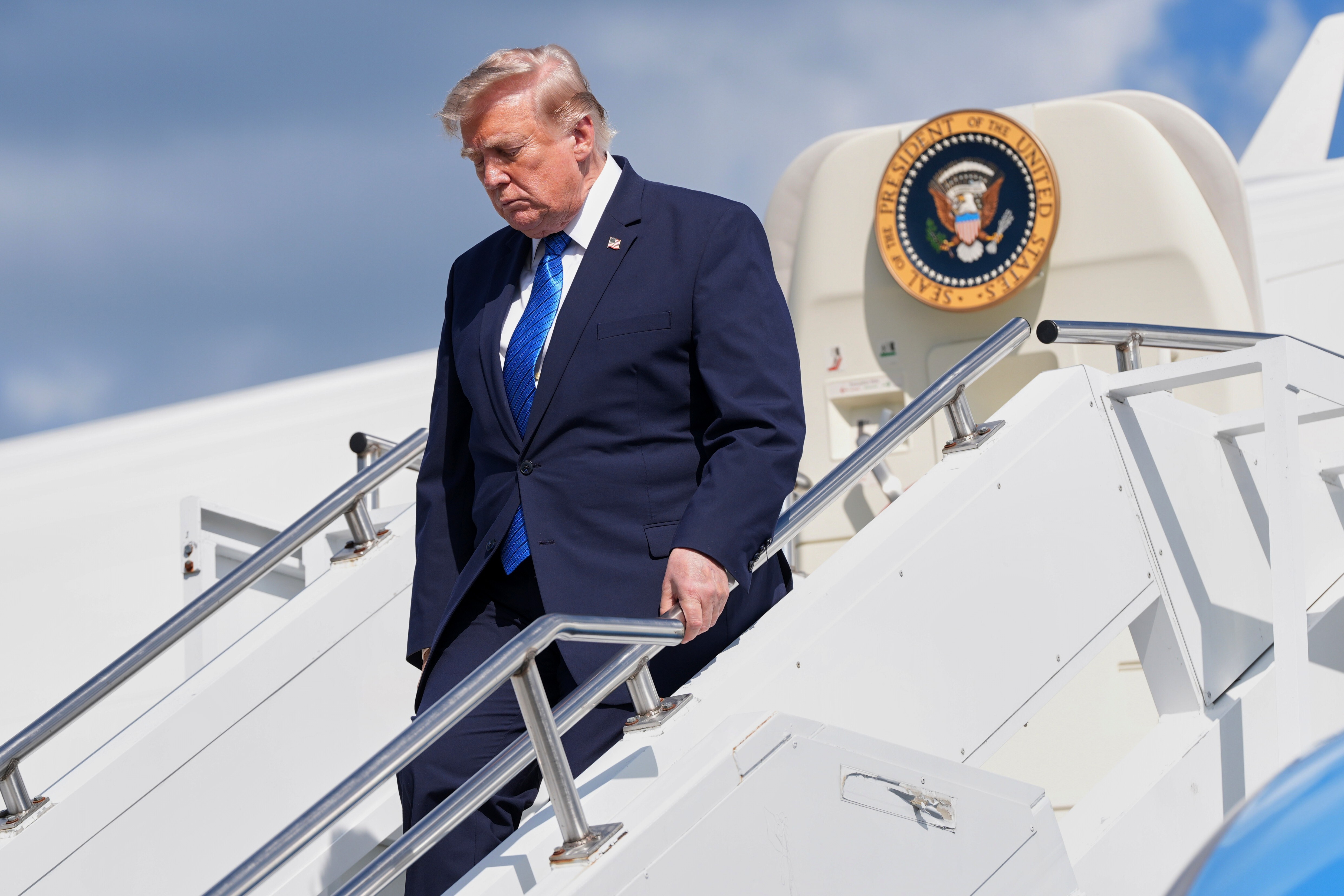
- July 22, 2026: President Trump attends a dignified transfer of four U.S. soldiers killed in the Middle East at Dover Air Force Base. The U.S. launches its 12th consecutive night of airstrikes on Iran.
- July 22, 2026: The Pentagon briefs a bipartisan group of House lawmakers on the Iran war.
- July 22, 2026: The House passes the $1.15 trillion NDAA by a vote of 216-212.
- July 23, 2026: The bill faces an uncertain future in the Senate, where Democrats have already blocked debate.
Frequently Asked Questions
What is the NDAA?
The National Defense Authorization Act is an annual bill that sets the budget and policies for the U.S. Department of Defense. The 2027 version totals $1.15 trillion and includes funding for the Iran war, a pay raise for service members, and a provision to rename the department as the Department of War.
Why is the bill controversial?
The bill has drawn criticism for its high cost, the expansion of military technology cooperation with Israel, and the inclusion of conservative social policy riders. Democrats oppose the steep spending increases and argue that supporting the bill is akin to endorsing the war with Iran.
What is the status of the bill in the Senate?
The bill faces an uncertain future. Senate Democrats blocked debate on the NDAA in a vote last week, and Minority Leader Chuck Schumer has called it a permission slip for the war. The bill may be revised before a final vote.
How does the bill affect U.S.-Israel relations?
The bill includes Section 219, which expands military technology cooperation with Israel. Critics, including Republican Representative Thomas Massie, argue that this merges U.S. supply chains with Israel's and could drag the U.S. deeper into regional conflicts.
What happened at the dignified transfer?
President Trump attended a dignified transfer ceremony at Dover Air Force Base for four U.S. soldiers killed in the Middle East. One of the families flew home to Georgia aboard Air Force One with the president, according to NBC News.
What Happens Next
The NDAA now moves to the Senate, where it is expected to face significant opposition from Democrats who object to its cost and policy provisions. The Senate may attempt to strip out controversial elements, including the Israel cooperation measure and the social policy riders, before passing its own version. Meanwhile, the war with Iran continues to escalate, with the U.S. launching airstrikes for a 12th consecutive night and President Trump vowing to target Iranian bridges and power plants. The outcome of the defense bill will have major implications for the trajectory of the conflict and U.S. defense policy.
More from the Foreign Policy desk
 New
New
Trump Cancels Iran Strikes, Cites Agreed Deal Framework
President Trump cancels planned strikes on Iran, citing an agreed framework for a deal, amid Saudi pressure and Tehran's warnings.
 New
New
US, Israel Prepare Strikes on Iran Energy Targets
US and Israel are preparing to strike energy-related targets in Iran, sources say, as Tehran warns of retaliation and regional…
 New
New
US Plans Renewed Strikes on Iran as Tehran Vows Response
US reportedly plans renewed strikes on Iran as soon as this weekend, with Tehran vowing to respond, amid tensions over…
 New
New
Trump Approval Hits New Low Amid Iran War, Gas Prices
President Trump's approval rating falls to a second-term low as the Iran war drags on and gas prices surge, with analysts…