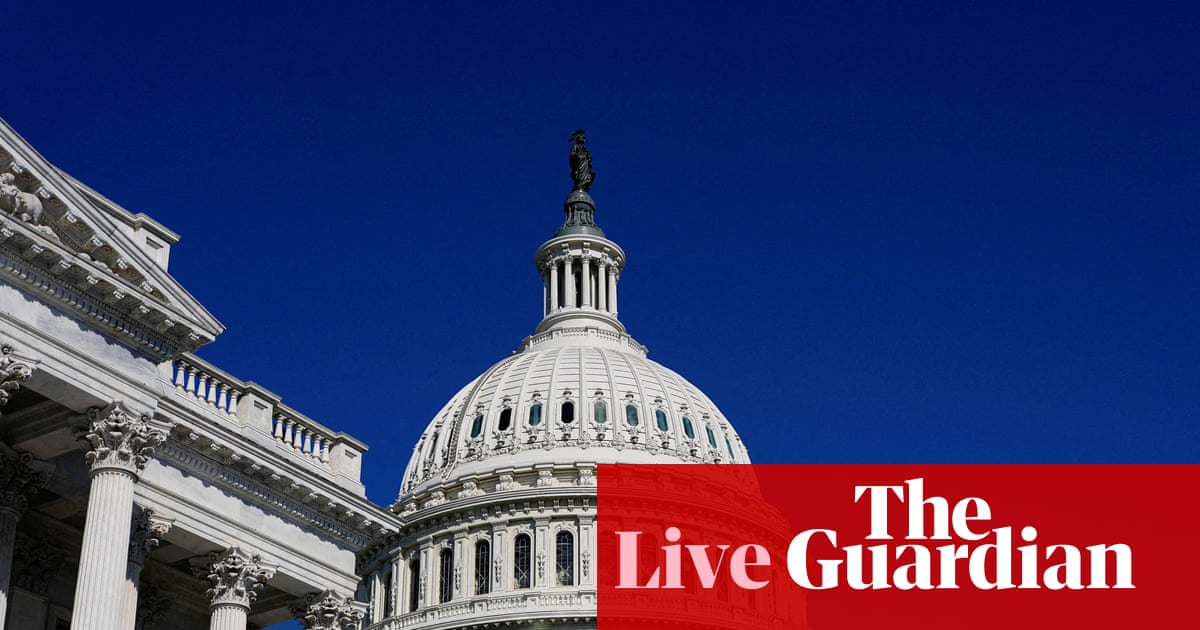
Early voting in the 2026 midterm elections began on Friday, September 18, with Virginia opening in-person voting and voters in Minnesota, Idaho and South Dakota able to cast absentee ballots in person, according to The Guardian. The milestone arrives less than two months before Election Day and marks the start of the most consequential stretch of campaigning for control of Congress, with the contest increasingly defined by the cost of living and the continuing war in Iran. On the same day, Vice President JD Vance headlined a midterm rally in Council Bluffs, Iowa, a state where Republicans now face competitive races for both the Senate and the governor's mansion, PBS NewsHour reported.
Main Story
The 2026 midterm campaign entered a new and more urgent phase on Friday as early voting opened in several states and both parties escalated their efforts to shape the closing argument before November. Virginia began early in-person voting, while voters in Minnesota, Idaho and South Dakota could cast absentee ballots in person, The Guardian reported. The start of early voting signals that the election is no longer a distant political debate but an active contest in which ballots are already being cast.
The Guardian described the moment as one of deep public anxiety, pointing to rising gas prices and low approval ratings as central features of the political environment. Those concerns have pushed the cost of living to the forefront of the campaign, alongside the continuing military conflict in Iran, which has become a persistent political liability for President Donald Trump and his party.
On the same day, Vice President JD Vance traveled to Council Bluffs, Iowa, to campaign for Republican majorities in Congress, according to PBS NewsHour. The visit was his second trip to Iowa this year and part of a broader effort to lay the groundwork for his own political future while boosting his party's candidates. PBS reported that Vance was expected to speak at 1 p.m. EDT.
Council Bluffs sits along the Missouri River on the western edge of a state that was once a Republican stronghold but now features competitive races for the Senate and the governor's mansion. The city is home to Josh Turek, the Democratic nominee for the Senate who represents the area in the Statehouse. His Republican opponent, U.S. Rep. Ashley Hinson, did not attend the rally because of previously scheduled events, according to her campaign.
Zach Lahn, the Republican nominee for governor, did attend the rally with Vance. Lahn is in a competitive race against Democrat Rob Sand, the state auditor and one of the party's most highly touted candidates this cycle.
Why It Matters
The opening of early voting transforms the midterms from a theoretical contest into a concrete one. Once ballots are being cast, late-breaking developments carry less weight, and the parties' closing messages become more important. The fact that Virginia, Minnesota, Idaho and South Dakota are already accepting votes means the window for persuasion is narrowing, and both parties are racing to define the stakes for voters who may decide the outcome before Election Day itself.
The prominence of the Iran war in the campaign is especially notable because it is a conflict Trump launched, and it is now causing political trouble for his own party. PBS reported that two Iowa Republicans, Rep. Zach Nunn and Rep. Mariannette Miller-Meeks, voted earlier in the week in a symbolic measure to halt the war in Iran. That vote underscored the degree to which the military conflict has divided the president's party and given Democratic candidates an opening in districts and states that were once considered safe for Republicans.
The cost of living is equally central. The Guardian noted that high gas prices and low approval ratings are shaping the mood of the electorate. For voters, the price of fuel and everyday goods is a tangible measure of how the economy is performing, and it is a message that Democrats have seized on as they try to make inroads in historically red areas.
Political Context
The Midwest has become a focal point of the midterm map. The Hill reported that the region is home to several contentious congressional and gubernatorial races in November, with historically red areas seeing Democratic candidates make inroads. Vance's trip to Council Bluffs is part of a broader Republican effort to defend territory that the party once took for granted.
That effort extends beyond Iowa. Sen. John Kennedy, a Louisiana Republican, told reporters on Thursday that he plans to travel to Kansas, Nebraska and Iowa this weekend to campaign and raise money for Republican Senate candidates. The Hill reported that Kennedy described the races in traditionally red states as unexpectedly close, a sign that Republicans are fighting to maintain their majority in November.
Kennedy's remarks reflect a growing recognition within the party that the political environment has shifted. The combination of the Iran war and economic anxiety has put Republican candidates on the defensive in places where they would normally expect to win comfortably. The decision to send a senior senator to campaign in Kansas, Nebraska and Iowa suggests that party leaders are treating those states as genuine battlegrounds.
On the Democratic side, the campaign is drawing high-profile surrogates as well. The New York Times reported that Rep. Alexandria Ocasio-Cortez donated to New York Democrats and will barnstorm the state ahead of the midterms. The news has reignited speculation about whether the progressive representative from the Bronx is considering a run for senator or president. Her involvement signals that Democrats are deploying their most visible figures to competitive races and to states where turnout will be critical.
The broader picture is one of a midterm cycle in which both parties believe the other is vulnerable. Republicans are defending a narrow majority and a president whose war and economic record are under scrutiny. Democrats are trying to convert public discontent into seats, particularly in states and districts that have historically leaned Republican but where the current environment has created an opening.
What Officials and Groups Are Saying
Vance has been one of the most visible surrogates on the midterm campaign trail, traveling to locations such as Kansas, Wisconsin and his native Ohio, according to PBS. During a May event in Iowa, he promoted the administration's tax and tariff policies at a steel manufacturing facility and warned that this year was not a normal election or a normal political environment. His return to Iowa on Friday underscored the importance the party places on holding the state's Senate and gubernatorial seats.
Kennedy's comments to reporters captured the anxiety among Senate Republicans. He said the party is facing unexpectedly close races in traditionally red states and that he would spend the weekend campaigning and raising money in Kansas, Nebraska and Iowa. His assessment that these races should be easy wins for Republicans, but are not, reflects the broader uncertainty hanging over the party's prospects.
Hinson's campaign said she would not attend the Friday rally because of previously scheduled events, a scheduling decision that left Lahn as the only statewide Republican candidate on stage with Vance. The absence was notable given the competitiveness of her race against Turek, who represents the Council Bluffs area in the Statehouse.
Ocasio-Cortez's donations and planned barnstorming of New York are part of a Democratic effort to mobilize voters in a state where turnout and enthusiasm will matter. The New York Times reported that her activity has renewed speculation about her future ambitions, but her immediate focus is on helping her party ahead of the midterms.
Timeline
- May 2026: Vance makes his first trip to Iowa as vice president, campaigning alongside Rep. Zach Nunn and promoting the administration's tax and tariff policies.
- Earlier this week: Nunn and Rep. Mariannette Miller-Meeks vote in a symbolic measure to halt the war in Iran.
- Thursday, September 17, 2026: Sen. John Kennedy tells reporters he will campaign in Kansas, Nebraska and Iowa over the weekend, describing the races as unexpectedly close.
- Friday, September 18, 2026: Early in-person voting begins in Virginia; in-person absentee voting opens in Minnesota, Idaho and South Dakota.
- Friday, September 18, 2026: Vance headlines a midterm rally in Council Bluffs, Iowa, joined by Republican gubernatorial nominee Zach Lahn.
- November 2026: Midterm elections are held, with control of Congress at stake.
Frequently Asked Questions
Which states began early voting on September 18, 2026?
Virginia began early in-person voting, while Minnesota, Idaho and South Dakota allowed voters to cast absentee ballots in person, according to The Guardian.
Why is the Iran war a major issue in the midterms?
The war, which Trump launched, has caused political trouble for his own party. PBS reported that two Iowa Republicans voted in a symbolic measure to halt the conflict, highlighting divisions within the GOP and giving Democrats an opening in competitive races.
Who is running in the key Iowa races?
For the Senate, Democrat Josh Turek, who represents the Council Bluffs area in the Statehouse, is running against Republican U.S. Rep. Ashley Hinson. For governor, Republican Zach Lahn is running against Democratic state auditor Rob Sand.
What role is Vice President JD Vance playing in the campaign?
Vance has been one of the most visible surrogates on the midterm trail, traveling to Kansas, Wisconsin, Ohio and Iowa. His Friday rally in Council Bluffs was his second trip to Iowa this year.
What are the main issues driving the campaign?
The cost of living, including high gas prices, and the continuing war in Iran are the dominant issues, according to The Guardian. Both have contributed to a difficult political environment for Republicans.
What Happens Next
With early voting underway in several states, the midterm campaign will intensify in the coming weeks. Vance's rally in Iowa is part of a broader Republican push to defend competitive races in the Midwest, while Sen. John Kennedy's planned swing through Kansas, Nebraska and Iowa shows the party is treating traditionally red states as battlegrounds. Democrats, meanwhile, are deploying surrogates such as Rep. Alexandria Ocasio-Cortez to mobilize voters in key states.
The outcome will hinge on whether the Iran war and cost-of-living concerns continue to dominate the political conversation, and whether either party can convert public anxiety into votes. As more states open early voting and the candidates make their closing arguments, readers should continue following the story because the results will determine control of Congress and shape the final two years of Trump's presidency.
More from the US Elections desk
 New
Judge Blocks Trump Bid to Segregate 20,000 Ballots
A federal judge rejected the Trump administration’s request to segregate roughly 20,000 California mail ballots ahead of the…
 New
Obama Back on Trail in Ohio, Michigan for 2026 Midterms
Barack Obama storms back onto the campaign trail in Cleveland and Detroit, ripping Trump and Ramaswamy as Democrats fight for…
 New
Trump Backs Ramaswamy Ad Featuring Acton's Estranged Mother
President Trump urged Vivek Ramaswamy to keep running a controversial ad featuring Amy Acton's estranged mother, deepening a…
 New
Final Michigan Senate Debate: El-Sayed, Rogers Clash on Trust
Abdul El-Sayed and Mike Rogers fought over who voters can trust in the final Michigan Senate debate. The toss-up race could…