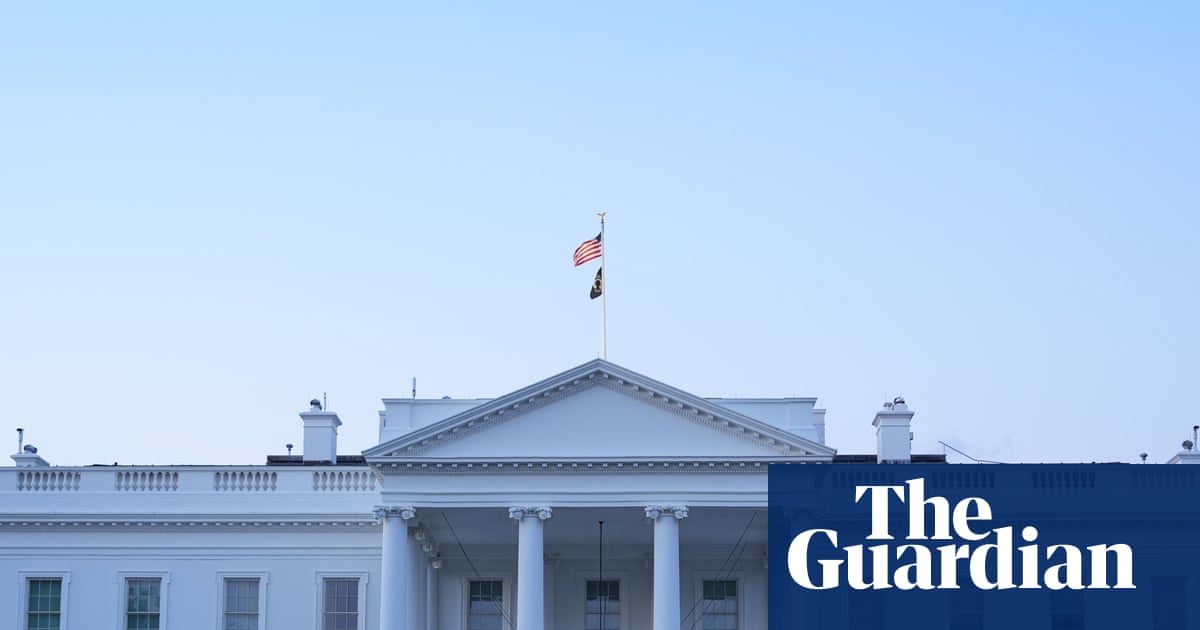
CNN, MS NOW and Politico sued the Trump administration on Monday over being barred from the White House, escalating one of the most direct confrontations yet between the president and the news organizations that cover him. The three outlets said they notified the government that morning that they were filing in the U.S. District Court for the District of Columbia, two days after their reporters were denied entry and had their credentials revoked. The lawsuit argues the ban is unconstitutional on First Amendment grounds and asks a judge to move quickly to restore access. The White House did not immediately respond to requests for comment.
Main Story
CNN, MS NOW and Politico moved Monday to force the Trump administration to restore their access to the White House, filing a lawsuit in federal court in Washington, D.C., after their reporters were blocked from the grounds and had their press credentials deactivated. The three organizations said in a joint statement that they had notified the government of their intent to sue and were acting to protect First Amendment rights and to defend the principle that the government does not decide what the press reports or publishes.
The dispute began Friday, when President Donald Trump announced on Truth Social that he was barring the three outlets from the White House, accusing them of constant fake news reporting. On Saturday, Secret Service members turned away reporters from CNN, MS NOW and Politico and revoked their passes, according to NBC News. CNN's and MS NOW's workspaces in the White House sat empty after access was withdrawn.
PBS reported that White House reporters from the two cable networks — Betsy Klein of CNN and Akayla Gardner of MS NOW — went live to describe being turned away and having their badges deactivated when they arrived for work. Soon after, Politico said its White House reporter Cheyenne Haslett was also denied entry and had her badge confiscated.
The legal motion filed by the outlets describes the ban as a direct assault on the First Amendment, noting that presidents since the earliest days of the Republic have disagreed with and complained about press coverage without barring outlets from the grounds. The suit names Trump and three of his top aides: White House chief of staff Susie Wiles, spokesperson Steven Cheung and Secret Service chief Sean Curran. The organizations are asking a Washington judge to move quickly to prevent further action from the White House on the ban, and CNN reported that emergency hearings could be scheduled as soon as this week.
The White House did not immediately respond to requests for comment from NBC News, CBS News or BBC News. In a joint statement posted on X, the three outlets said that without notice or process, the White House revoked their journalists' credentials because it objected to their reporting, and warned that left unchallenged, the move threatens press freedom and the public's right to independent journalism free from government interference.
Why It Matters
The case is the most extreme instance so far of Trump's push to restrict press access, according to NBC News, and it lands at the intersection of two long-running trends: the president's public hostility toward outlets he dislikes and his administration's willingness to use administrative power to reshape who covers him. PBS described the actions as a clear escalation of Trump's efforts — in the courts and through administrative action — to restrict news coverage by journalists he finds objectionable, and as the latest test of First Amendment protections in the United States.
The First Amendment forbids the government from abridging the freedom of the press, language that courts have traditionally interpreted as preventing the government from discriminating against the media based on the content of their coverage, according to BBC News. That principle is now the core of the outlets' argument: they say the White House punished them for reporting it did not like, without notice or process.
The practical effects were immediate. CNN is one of only five U.S. news outlets in the White House press pool for live television and had been slated to cover Trump's trip to the UN General Assembly in New York on Monday and Tuesday. The pool slot remained vacant, and the staunchly conservative outlet Real America's Voice was listed as secondary crew on the trip, per BBC News. CBS News reported that without a replacement on Monday, there would be no television network traveling with the president — an unprecedented situation.
The press pool acts as a representative for the media, sharing material with other outlets to save on finances and space when covering presidential events. In February, the White House announced it was taking control of the pool, which had for more than a century been managed by the White House Correspondents' Association. The same month, the administration moved to bar Associated Press reporters and photographers from spaces where access is limited, such as the Oval Office or Air Force One, because of the outlet's use of the term Gulf of Mexico instead of Gulf of America. AP swiftly filed a lawsuit in response.
Political Context
The ban did not emerge from a single disputed story. According to BBC News, Trump did not mention specific reporting that prompted the move when he announced it, and later described it as cumulative stories over the last few years. He added that there may be others to join the three outlets, and when asked what he meant, pointed to the New York Times and the Washington Post as fake news.
Speaking to reporters after the Friday announcement, Trump said there was no reason the ban was issued when it was and suggested it was not a response to any specific incident, arguing that outlets should not be allowed to come and write fake stories. He said that if they want to write them, that is fine, but that he does not have to provide access.
The White House Correspondents' Association called the move unconstitutional, and experts voiced backlash over the weekend, according to NBC News. The dispute also sits alongside the administration's broader pattern of punishing outlets through courtroom and regulatory action, a pattern PBS noted has intensified in Trump's second term.
What Officials and Groups Are Saying
The three news organizations have framed the case in institutional terms rather than as a narrow fight over workspace. In their joint statement, they said they were suing to protect First Amendment rights and to defend the principle that the government does not decide what the press reports or publishes. They described the credential revocations as occurring without notice or process and said the move threatens press freedom and the public's right to independent journalism free from government interference.
The White House has not responded to multiple requests for comment from NBC News, CBS News and BBC News. Trump's public comments have focused on the content of coverage rather than any security or logistical justification, and he has suggested more outlets could face similar treatment.
The White House Correspondents' Association, which long managed the press pool before the administration took control in February, called the ban unconstitutional. The legal filing from the outlets argues that the move has no modern precedent in its directness.
Timeline
- February 2026: The White House announces it is taking control of the press pool, which had been managed by the White House Correspondents' Association for more than a century. The administration also moves to bar AP reporters and photographers from limited-access spaces over the outlet's use of Gulf of Mexico; AP sues.
- Friday, Sept. 18, 2026: Trump announces on Truth Social that CNN, MS NOW and Politico are barred from the White House, citing fake news coverage. He later says the decision reflects cumulative stories over recent years and suggests other outlets may follow.
- Saturday, Sept. 19, 2026: Secret Service members turn away reporters from the three outlets and revoke their passes. CNN's Betsy Klein and MS NOW's Akayla Gardner report being denied entry; Politico's Cheyenne Haslett has her badge confiscated.
- Monday, Sept. 21, 2026: The three outlets notify the government and file suit in the U.S. District Court for the District of Columbia, naming Trump, Wiles, Cheung and Curran. CNN's scheduled pool slot for the UN trip remains vacant, with Real America's Voice listed as secondary crew.
Frequently Asked Questions
Who is suing the Trump administration?
CNN, MS NOW (formerly MSNBC) and Politico filed the lawsuit together in the U.S. District Court for the District of Columbia.
Why were the outlets banned from the White House?
Trump announced the ban Friday on Truth Social, citing what he called fake news coverage. He later described it as cumulative stories over recent years rather than a response to one specific report.
What does the lawsuit argue?
The outlets argue the ban is unconstitutional on First Amendment grounds, saying the White House revoked credentials without notice or process because it objected to their reporting.
Who is named in the suit?
The lawsuit names Trump and three top aides: chief of staff Susie Wiles, spokesperson Steven Cheung and Secret Service chief Sean Curran.
What happens to White House coverage in the meantime?
CNN's pool slot for Trump's UN General Assembly trip was left vacant, and no television network traveled with the president on Monday, according to CBS News.
What Happens Next
The case now moves to a federal judge in Washington, D.C., where the outlets are seeking rapid action. CNN reported that emergency hearings could be scheduled as soon as this week, and the legal motion asks the court to move quickly to prevent further action from the White House on the ban. The White House has not commented, leaving open whether it will contest the filing, adjust the ban or extend it to other outlets Trump has criticized.
For readers, the stakes extend beyond three newsrooms. The dispute tests whether a president can revoke press credentials over coverage he dislikes, and it will shape how the White House press pool operates for the remainder of Trump's term. With the administration already controlling pool assignments and the AP case still working through the courts, the outcome here could set the terms for press access across the federal government. The next signals to watch are the court's scheduling order, any White House response and whether other outlets are added to the ban.
More from the Judiciary desk
 New
Supreme Court Keeps Transgender Inmate Care Block, Despite Dissent
The Supreme Court upheld a lower-court block preventing the Trump administration from cutting gender-affirming care for…
 New
Judge Clashes With DOJ Over Trump's East Potomac Golf Plan
A federal judge pressed the Trump administration over its plan to shut down and renovate East Potomac Golf Links, as DOJ…
 New
Judge Extends Order Blocking Trump's White House Press Ban
A federal judge extends an order blocking Trump from banning CNN, MS NOW and Politico reporters from White House access, as…
 New
Judge Orders Trump to Cancel $20M Taxpayer-Funded Ads
A federal judge ordered the Trump administration to immediately cancel taxpayer-funded TV ads featuring the president, siding…